
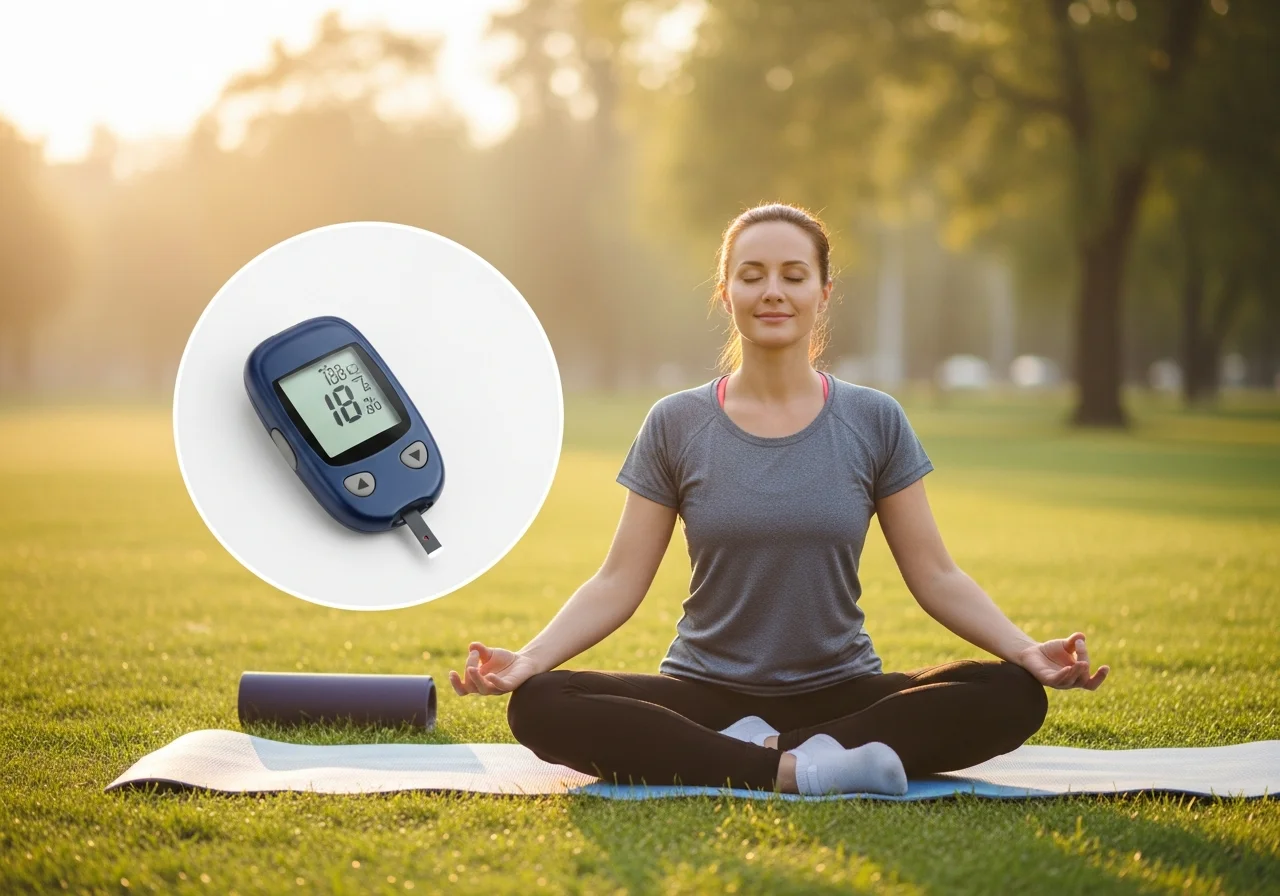
Staying positive with diabetes starts with small, sustainable steps. Build a supportive community, set realistic goals, and celebrate wins—no matter how small. Practice mindfulness, stay physically active, and prioritize sleep to boost mood. Remember, it’s okay to ask for help. Working with your care team on both physical and emotional health makes managing diabetes easier and more empowering.
In my clinical practice, I often meet patients who feel overwhelmed after receiving a diabetes diagnosis and wonder if life will ever feel normal again. One of the most common concerns I hear is how to stay positive with diabetes while managing the daily demands of blood sugar checks, medications, meal planning, and lifestyle adjustments.
These responsibilities can create significant emotional stress, especially for those who are newly diagnosed.
I always remind my patients that staying positive does not mean ignoring the realities of diabetes—it means building practical strategies that support both mental and physical health. When patients learn to manage stress, frustration, and burnout effectively, their diabetes management often improves as well.
Over the years, I’ve seen patients who prioritize emotional resilience experience better long-term outcomes, including improved A1C levels and greater confidence in their daily routines. In this guide, I’ll share practical strategies to help you stay motivated, protect your mental health, and live well with diabetes.
TL;DR: Quick Summary
- Staying positive requires highly structured daily routines, active stress management, and setting realistic medical goals.
- Blood sugar fluctuations directly and severely impact your mood, brain function, and overall mental health.
- Combining lifestyle strategies (nutrition, exercise, sleep) with strong emotional support drastically improves clinical outcomes.
- Diabetes is highly manageable—millions of people live full, active, and deeply healthy lives with proper care.
What Does It Mean to Stay Positive With Diabetes?
Living positively with diabetes means maintaining mental resilience, emotional balance, and proactive self-care while effectively managing your blood glucose levels. It is crucial to understand that living with diabetes is managing a lifelong, chronic condition, not fighting a temporary illness.
Navigating a living with type 2 diabetes program, or managing the complexities of living with type 1 diabetes, requires deep psychological adaptation alongside medical treatment.
Positivity in this context does not mean toxic positivity or pretending the challenges do not exist. Instead, it means actively developing the coping mechanisms required to handle frustrating glucose spikes without spiraling into a sense of personal failure.
It is about acknowledging the difficulty while taking immediate, empowering action. Find out more on Diabetes and Mental Health.
Why Mental Health Matters in Diabetes Management
Many patients fail to realize just how deeply interconnected their brain and their pancreas truly are. If you are wondering, can diabetes affect mental health? The clinical answer is a resounding yes.
Uncontrolled diabetes and mental health issues create a vicious, highly destructive cycle. When your blood sugar is chronically high, the physical stress actively depletes neurotransmitters responsible for mood regulation.
According to the American Diabetes Association (ADA) and the CDC, individuals living with this condition have double the risk of developing clinical depression. Furthermore, the relentless mental math required for daily management heavily increases the risk of severe anxiety and diabetes distress.
Common Emotional Challenges (And Why They Happen)
To conquer your emotional hurdles, you must first understand the biological reasons driving them. Your feelings are often direct symptoms of your current metabolic state.
Mood Swings and Irritability
Can diabetes cause mood swings? Absolutely. Your brain relies exclusively on a steady stream of glucose to function.
When you experience hypoglycemia (low blood sugar), your brain literally starves, triggering sudden, intense irritability and confusion. Conversely, hyperglycemia (high blood sugar) causes heavy brain fog, lethargy, and a remarkably short temper. Recognizing low blood sugar symptoms helps you respond quickly.
Anxiety and Fear
Many newly diagnosed individuals ask: Can diabetes cause anxiety attacks, or can diabetes cause nervousness? Yes, both physically and psychologically.
Physically, a rapidly dropping blood sugar level triggers a massive adrenaline dump, perfectly mimicking a severe panic attack. Psychologically, the lingering fear of long-term complications or severe hypoglycemic episodes while sleeping drives chronic, daily anxiety, as per PubMed.
Burnout and Diabetes Distress
Emotional diabetes symptoms often culminate in a clinical state known as “diabetes distress.”
This is the profound emotional fatigue that comes from the 24/7, relentless task of being your own artificial pancreas. Patients experiencing burnout often stop checking their blood sugar or taking their diabetes medications entirely out of pure exhaustion.
What to Do If You’re Newly Diagnosed

The first few weeks after receiving your lab results are often the most terrifying. Proper education and immediate action are your best defenses against fear, according to CDC.
First Steps After Diagnosis
If you are newly diagnosed with type 1 or type 2, your first step is strictly confirming your diagnosis and understanding your specific metabolic mechanism.
Immediately begin building your specialized care team. You will need a primary care physician, a board-certified endocrinologist, and a registered dietitian who specializes in metabolic health.
What to Eat Initially
A common panic question is: just diagnosed with type 2 diabetes, what can I eat? You do not need to starve yourself.
Focus strictly on building a balanced plate. Fill half your plate with non-starchy vegetables, one-quarter with lean proteins, and the final quarter with complex, fiber-rich carbohydrates. Avoid liquid sugars and highly refined grains entirely. Choosing the best foods for diabetics provides a strong foundation.
Can the Condition Be Reversed?
Many patients anxiously search: just diagnosed with diabetes, can I reverse it? The answer depends entirely on your specific diagnosis.
For Type 2, achieving medical remission is highly possible through aggressive weight loss and strict lifestyle changes. However, Type 1 is an autoimmune condition; it is not currently reversible, but it is highly manageable with precise exogenous insulin therapy.
How to Stay Positive With Diabetes
Understanding how to deal with diabetes long-term requires moving beyond basic survival and actively building a thriving lifestyle. This requires a multi-tiered approach to both psychological and physical self-care. Read more on Diabetic Patients: Psychological Aspects.
If you want to know how to get better with diabetes management, you must implement these five core pillars into your daily life. Family members looking for ways to help diabetics should also deeply encourage these practices.
Build a Highly Sustainable Routine
Chaos is the absolute enemy of blood sugar control. Your body craves profound biological predictability.
You must establish strict, consistent times for waking up, eating your meals, taking your prescribed medications, and going to sleep. This rigid consistency severely reduces unpredictable glucose variability, making your daily numbers much easier to manage.
Focus Strictly on Small Wins
Looking at a massive, long-term goal like losing 50 pounds or dropping your A1C by three full points can feel deeply paralyzing.
Instead, focus exclusively on the next 24 hours. Celebrate the small, critical wins: tracking your habits consistently, keeping your post-meal glucose under 140 mg/dL today, or simply remembering to take your basal insulin on time.
Use Mindfulness and Stress Reduction
Mental tension physically drives up your blood glucose by heavily increasing cortisol production.
You must actively practice clinical stress reduction techniques. Implement 10 minutes of daily mindfulness meditation or utilize the 4-7-8 deep breathing method when you feel overwhelmed. Lowering your cortisol directly and powerfully improves your physical glycemic control.
Stay Consistently Physically Active
Exercise is not just about weight loss; it is the most potent, immediate tool for emotional and metabolic regulation.
Physical activity deeply improves your cellular insulin sensitivity, allowing your body to process sugar more efficiently. Furthermore, it triggers a massive release of endorphins, which actively combat depression and diabetes-related burnout.
Connect With Support Systems
Do not attempt to carry the immense burden of a chronic illness entirely alone. Isolation breeds severe medical anxiety.
Actively seek out local or online diabetes support communities. Speaking with peers who truly understand the frustration of a bent infusion set or an unexplained glucose spike provides invaluable, grounding emotional relief.
Lifestyle Changes for Diabetes Type 2 (and Beyond)
Medication alone cannot outpace a poor daily routine. Implementing strict lifestyle changes for type 2 diabetes is mandatory for halting the progression of insulin resistance, as per NIDDK.
Strategic Nutrition
Nutrition is your primary line of defense. You must heavily prioritize low glycemic index foods that release glucose slowly into your bloodstream.
Aim for a strict daily fiber intake of 25 to 35 grams. Fiber physically slows digestion, actively blunting the post-meal blood sugar spikes that cause severe vascular damage.
Consistent Exercise
The CDC strictly recommends at least 150 minutes of moderate-intensity aerobic activity per week, spread over at least three days.
Combine this with two days of resistance training. Building lean muscle mass provides your body with a larger storage sink for excess circulating glucose.
Mandatory Sleep Optimization
Sleep is heavily overlooked in metabolic management. Poor sleep quality directly causes severe morning insulin resistance.
You must prioritize 7 to 9 hours of uninterrupted sleep. Practice strict sleep hygiene by keeping your room cold and entirely eliminating blue light exposure an hour before bedtime.
How to Treat Diabetes Naturally (Evidence-Based Approach)
Many patients desperately search for how to treat diabetes naturally or how to get rid of diabetes. It is critical to avoid dangerous internet “cures”.
Instead, focus strictly on evidence-based lifestyle modifications that serve as highly potent natural treatments. Note: Type 1 always requires insulin, but natural methods deeply improve insulin sensitivity.
Evidence-Based Natural Methods
For Type 2 patients, achieving a clinically significant weight loss of just 5% to 10% of total body weight can dramatically improve liver function and insulin sensitivity.
Adopting a strict Mediterranean or heavily monitored low-carb diet, combined with rigorous daily physical activity, is the most scientifically proven method for treating diabetes fast, in terms of bringing acute numbers into a safe range.
How to Lower A1C Safely
Knowing precisely how to lower A1C safely is the ultimate goal of metabolic management. Below is a clinical breakdown of the most effective strategies and their impact.
| Clinical Strategy | Expected Impact on A1C | Implementation Difficulty |
|---|---|---|
| Significant Weight Loss (5-10%) | High Reduction | High |
| Strict Medication Adherence | High Reduction | Low-Moderate |
| Low-Glycemic/Low-Carb Diet | Moderate-High Reduction | Moderate |
| Daily Cardiovascular Exercise | Moderate Reduction | Moderate |
Health Benefits for Diabetic Patients Who Stay Positive

There are massive, measurable health benefits for diabetic patients who actively maintain their mental resilience, according to the Centers for Disease Control and Prevention.
Patients with high psychological well-being demonstrate significantly better daily glycemic control. This strict control directly and heavily reduces the risk of long-term microvascular complications, such as neuropathy, retinopathy, and kidney disease.
Ultimately, maintaining a positive, proactive mindset leads to a drastically improved overall quality of life and increased longevity.
How to Support Someone With Diabetes
If you are a loved one, knowing what to say to someone just diagnosed with type 1 diabetes or Type 2 is critical.
Never use blame language or act as the “food police.” Instead of criticizing their plate, ask how you can offer practical support, such as helping with weekly meal prep or joining them for evening walks.
To truly know how to help diabetics, you must offer relentless encouragement, not pressure or judgment.
Can You Live a Normal Life With Diabetes?
Yes. With proper education, strict management, and emotional resilience, many people with diabetes live full, incredibly active, and exceptionally long lives. Can I have a normal life with diabetes? Absolutely. Professional athletes, Supreme Court justices, and millions of everyday heroes thrive with this condition. The disease strictly dictates the rules of your metabolism, but it absolutely does not dictate the limits of your potential.
When to Seek Professional Help
There is a distinct clinical line between normal frustration and dangerous psychiatric distress.
You must strictly seek professional medical help if you experience persistent anxiety, deep clinical depression, or frequent, dangerous episodes of hypo/hyperglycemia.
If diabetes burnout is actively causing you to skip insulin doses or stop monitoring your glucose, you must contact your endocrinologist and a behavioral health specialist immediately. Understanding diabetic ketoacidosis treatment is critical for emergency preparedness.
Frequently Asked Questions
How to feel better with type 2 diabetes?
Start small. Balance meals with protein, fiber, and healthy fats. Move your body daily—even a 10-minute walk helps. Prioritize sleep and stress care. These habits stabilize blood sugar fast. Better numbers mean more energy and clearer thinking.
Progress beats perfection. Work with your care team to personalize your plan. Small, consistent steps create lasting wellness, says Diabetes Care.
Can diabetes be reversed?
Type 2 diabetes can enter remission—meaning normal blood sugar without medication—through significant weight loss and sustainable lifestyle changes. But it’s not a permanent “cure.” Genetic risk remains.
Type 1 diabetes, an autoimmune condition, cannot be reversed. Focus on what you can control: consistent care, balanced nutrition, and compassionate self-management. Your health journey is unique.
How to deal with diabetes emotionally?
Your feelings matter. Don’t suppress frustration or fatigue. Try cognitive behavioral therapy, join a diabetes support group, or practice daily mindfulness. These tools ease the mental load of chronic care. Talk openly with your provider about burnout.
You’re not alone. Small emotional wins—like naming one stressor—build resilience. Compassion, not criticism, fuels lasting change, as per PubMed Central (PMC).
What should I eat after diagnosis?
Focus on whole, minimally processed foods. Fill half your plate with non-starchy veggies. Add lean protein and healthy fats like olive oil or avocado. Choose high-fiber carbs—berries, lentils, quinoa—in modest portions.
Skip sugary drinks and refined grains. You don’t need perfection. One mindful swap at a time builds momentum. A dietitian can help personalize your plate.
How to stay motivated with diabetes?
Track small wins. Did you walk after dinner? Celebrate it. Set tiny, realistic goals—like drinking more water or checking glucose before breakfast. Remember your “why”: more energy, time with family, feeling stronger. Progress isn’t linear. On tough days, focus on the next right choice. You’ve got this. Your care team cheers you on.
Conclusion
Living with diabetes is undeniably a lifelong marathon that requires both profound physical diligence and deep emotional resilience. While the initial diagnosis or the daily management can feel overwhelmingly heavy, you absolutely have the power to dictate how this condition impacts your life.
By strictly implementing structured daily routines, prioritizing your mental health, and relying on evidence-based medical strategies, you can successfully break the cycle of diabetes distress. Your value and happiness are strictly not determined by a single A1C reading or a sudden, frustrating glucose spike.
Focus relentlessly on the small, daily wins. Actively lean on your specialized medical care team and peer support networks when the emotional burden feels too heavy to carry entirely alone. With the right tools and mindset, you are fully capable of living a vibrant, active, and incredibly healthy life.
Evidence-Based References:
- Centers for Disease Control and Prevention. Diabetes and Mental Health.
🔗 https://www.cdc.gov/diabetes/living-with/mental-health.html - American Diabetes Association. Mental Health and Diabetes.
🔗 https://diabetes.org/health-wellness/mental-health - PubMed Central. Facilitating Healthy Coping in Patients with Diabetes: A Systematic Review.
🔗 https://pmc.ncbi.nlm.nih.gov/articles/PMC3549032/ - PubMed Central. Positive Psychological Interventions for Patients with Type 2 Diabetes.
🔗 https://pmc.ncbi.nlm.nih.gov/articles/PMC4442018/ - PubMed Central. A Resilience Intervention for Adults with Type 2 Diabetes.
🔗 https://pmc.ncbi.nlm.nih.gov/articles/PMC9123777/ - Centers for Disease Control and Prevention. New Beginnings: A Discussion Guide for Living Well With Diabetes.
🔗 https://www.cdc.gov/diabetes/professional-info/toolkits/new-beginnings/pdf/dsmes-newbeginnings-module3-508.pdf - PubMed Central. Emotional and Psychological Needs of People with Diabetes.
🔗 https://pmc.ncbi.nlm.nih.gov/articles/PMC6166557/ - Diabetes Care (American Diabetes Association). Psychosocial Care for People With Diabetes: A Position Statement of the American Diabetes Association.
🔗 https://diabetesjournals.org/care/article/39/12/2126/31378/Psychosocial-Care-for-People-With-Diabetes-A - PubMed Central. Coping Strategies for Managing Diabetes Distress in Adults With Type 1 and Type 2 Diabetes.
🔗 https://pmc.ncbi.nlm.nih.gov/articles/PMC11582030/ - PubMed Central. The Impact of Mindfulness-Based Stress Reduction on Emotional Wellbeing in Type 2 Diabetes.
🔗 https://pmc.ncbi.nlm.nih.gov/articles/PMC6015675/ - Nature Scientific Reports. Psychological Resilience Mediates the Relationship Between Diabetes Distress and Depression.
🔗 https://www.nature.com/articles/s41598-024-57212-w - PubMed Central. Effectiveness of Resilience-Promoting Interventions in Adolescents With Diabetes: A Systematic Review.
🔗 https://pmc.ncbi.nlm.nih.gov/articles/PMC9761642/