
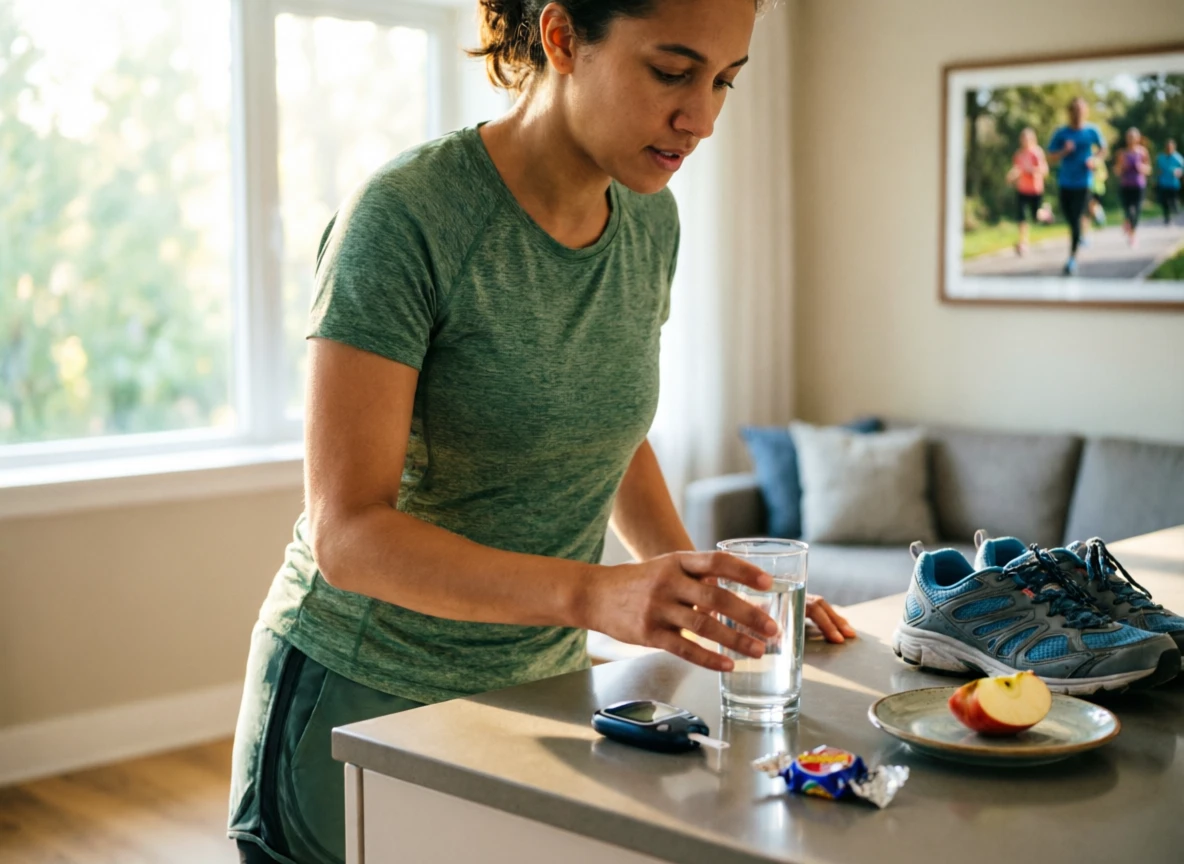
If your blood sugar suddenly spikes and you’re unsure what to do next, it can feel overwhelming—and even scary. You might experience a sudden wave of exhaustion, unquenchable thirst, or a rapid heart rate that leaves you anxious.
Confusion about immediate steps is incredibly common, especially for those newly managing their metabolic health. Many people freeze, unsure if they should eat, sleep, or rush to the emergency room.
The risk of severe complications from untreated elevated glucose is very real, and leaving it unmanaged can lead to cellular damage or acute diabetic emergencies. This creates an urgent need for safe, fast action that you can confidently execute.
TL;DR Summary
High blood sugar (clinically known as hyperglycemia) can often be managed quickly with immediate hydration, light physical movement, and taking your prescribed medication.
However, very high levels—specifically those accompanied by vomiting or confusion—require urgent medical attention. Never attempt to “sleep off” a dangerously high spike.
What Is High Blood Sugar?
At its core, high blood sugar means you have elevated glucose levels above the safe, normal blood sugar range circulating in your bloodstream. This occurs when your body either does not have enough insulin or cannot effectively use the insulin it produces.
Without insulin to act as a “key,” glucose cannot enter your cells for energy and instead builds up in your blood. The clinical term for this condition is hyperglycemia.
Many patients frequently ask, “What is a dangerous level of blood sugar?” While targets vary slightly by individual, medical professionals generally categorize the severity of hyperglycemia using standardized ranges.
Quick Thresholds Table
| Situation | High Blood Sugar Level |
| Fasting | >130 mg/dL |
| After meals (1-2 hours) | >180 mg/dL |
| Dangerous / Emergency Risk | >300 mg/dL |
Note: Always refer to a comprehensive blood sugar levels chart provided by your endocrinologist for your personalized targets.
What Are 5 Signs Your Blood Sugar Is Too High?
Before you can take action, you must recognize the physical distress signals your body is sending. Hyperglycemia rarely happens silently once it crosses a certain threshold.
To quickly identify the 5 signs your blood sugar is too high, look for these immediate clinical indicators:
- Frequent urination: Your kidneys are forced into overdrive to filter and absorb the excess sugar.
- Excessive thirst: Because you are losing fluids through frequent urination, severe dehydration triggers an unquenchable thirst.
- Fatigue: Your body’s cells are starved for energy because glucose is trapped in the bloodstream.
- Blurred vision: High glucose levels pull fluid directly from the lenses of your eyes, distorting your focus.
- Headaches: The combination of cellular dehydration and altered blood flow frequently causes persistent, throbbing headaches.
If you experience these symptoms of high blood sugar, it is time to immediately execute a management plan.
What to Do Immediately When Blood Sugar Is High (Step-by-Step Action Plan)
When you see a high number on your glucometer, panic is your worst enemy. Stress actually releases cortisol and adrenaline, which dump even more glucose into your bloodstream.
Knowing exactly what to do immediately when blood sugar is high is critical for preventing the onset of diabetic ketoacidosis (DKA), a life-threatening condition.
Dr. Robert Alan, a leading clinical endocrinologist, emphasizes that “action must be swift, systematic, and calm.” Here is your step-by-step emergency protocol to bring levels down safely.
What to Do When Blood Sugar Is High: Immediate Steps
Wondering what to do when blood sugar is high? Follow MD-backed steps to safely lower it fast. Read the immediate steps now! Suggestion Score Publish Date Inbound Internal Links Outbound Internal Links Outbound External Links Desc Asc
Emergency Checklist
What to Do When Blood Sugar Is High: Immediate Steps
Wondering what to do when blood sugar is high? Follow MD-backed steps to safely lower it fast. Read the immediate steps now! Suggestion Score Publish Date Inbound Internal Links Outbound Internal Links Outbound External Links Desc Asc
What to Do When Blood Sugar Is High: Immediate Steps
Wondering what to do when blood sugar is high? Follow MD-backed steps to safely lower it fast. Read the immediate steps now! Suggestion Score Publish Date Inbound Internal Links Outbound Internal Links Outbound External Links Desc Asc
- Drink water immediately: Consume 16 to 24 ounces of water right away to help your kidneys flush out the excess glucose through urine.
- Take prescribed medication or insulin: If your doctor has provided a sliding scale or correction dose, administer it exactly as instructed.
- Go for light physical activity: If your blood sugar is under 250 mg/dL and you have no ketones, take a brisk 15-minute walk.
- Avoid carbs and sugar: Stop eating all carbohydrates immediately to prevent adding more fuel to the fire.
- Recheck glucose levels: Wait 15 to 30 minutes and test again to ensure the numbers are trending downward.
Understanding the Immediate Steps
If you are wondering how to bring blood sugar down quickly, water is your first line of defense. Hyperglycemia severely dehydrates the body. By drinking water, you actively dilute the sugar concentration in your blood and support kidney filtration.
Physical activity is another powerful tool. When you exercise, your muscles require energy. Muscle contractions allow your cells to take up glucose for energy without needing insulin.
However, you must exercise caution. If you are wondering what to do if your blood sugar is high—specifically over 250 mg/dL—you must check for urine ketones first. Exercising with ketones present can actually drive your blood sugar higher and trigger DKA.
What to Do When Blood Sugar Is High at Home
Managing a spike in the comfort of your own living room requires discipline. When figuring out what to do when blood sugar is high at home, the focus should be on creating a controlled environment.
You do not always need to rush to the hospital for a moderate spike (e.g., 200 mg/dL), but you must actively intervene to prevent the situation from escalating.
Safe At-Home Actions
Aggressive Hydration: Keep a large pitcher of water on your counter and aim to drink a glass every 30 minutes. This consistent flushing is one of the safest things regarding what to do at home when blood sugar is high.
Walking (10–15 minutes): You do not need a gym. Pacing around your house, walking up and down the stairs, or doing light chores forces muscle contraction and lowers circulating glucose.
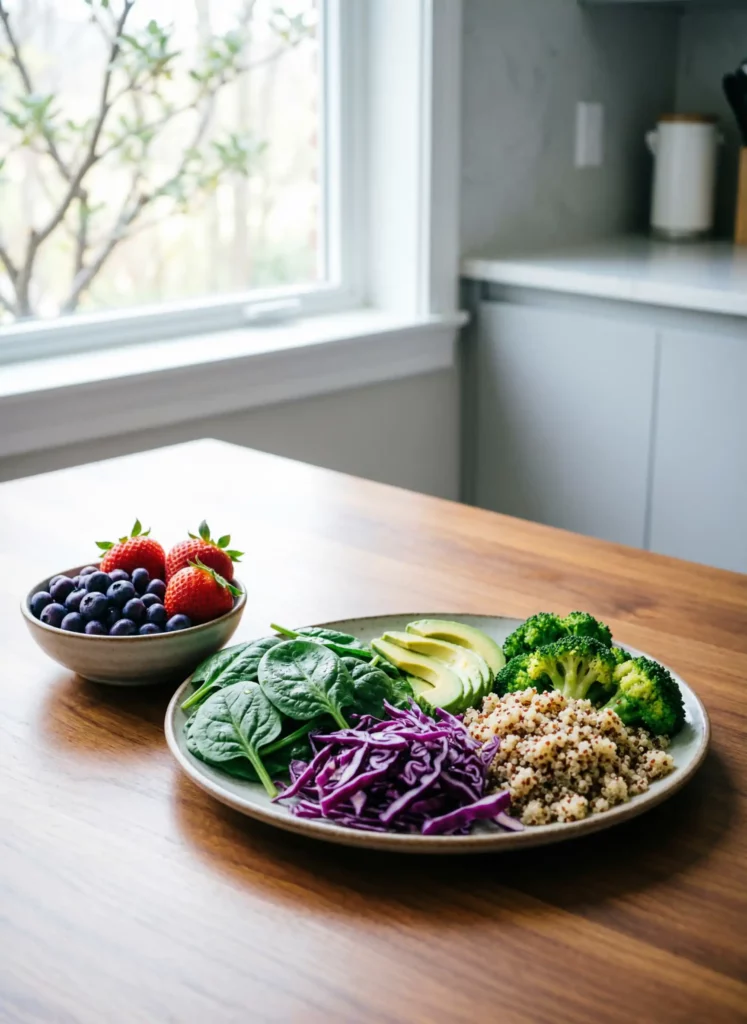
Low-Carb Meals: If it is mealtime, strictly pivot your menu. Opt for a plate consisting entirely of non-starchy vegetables and a clean protein source to avoid introducing new glucose.
Actions to Avoid
Don’t consume sugary drinks: This includes natural fruit juices and sports drinks. Liquid sugar hits the bloodstream instantly and will skyrocket your already elevated levels.
Don’t skip insulin: Never assume that drinking water alone will replace a missed dose of background or mealtime insulin. Always follow your prescribed pharmacological routine.
What to Eat When Blood Sugar Is High
Diet is both the primary cause of and the solution to everyday glucose management. If you are currently dealing with a spike, you might wonder, what should I eat if my blood sugar is high?
The short answer is: as close to zero carbohydrates as possible. You want foods that stabilize your metabolism without requiring an insulin response.
Optimal Food Choices
Leafy greens: Spinach, kale, and Swiss chard are incredibly low in digestible carbohydrates and packed with micronutrients. They have practically zero impact on your glycemic index.
Lean protein: Grilled chicken breast, turkey, tofu, or white fish will keep you satiated without raising your glucose levels. Protein provides a slow, stable energy source.
Fiber-rich foods: If you must eat carbohydrates, choose extremely high-fiber options like chia seeds or broccoli. Fiber physically slows down the digestion and absorption of sugars in the gut.
Foods to Restrict
Sugary snacks: Cookies, candies, and pastries are strictly off-limits until your levels normalize.
Refined carbs: White bread, white rice, regular pasta, and potatoes will quickly convert to glucose, actively reversing any progress you’ve made in lowering your numbers. Learning how to lower blood sugar levels quickly with foods fundamentally relies on entirely eliminating these items during a spike.
What to Drink to Lower Blood Sugar Immediately
When you are in the middle of a glycemic spike, liquid intervention is your fastest route to relief. Your kidneys need excess fluids to successfully filter and flush the concentrated glucose out of your bloodstream.
If you are wondering what to drink to lower blood sugar immediately, plain water is undeniably the most effective, biologically appropriate choice. Aim to drink two large glasses of water the moment you notice an elevated reading on your meter.
Unsweetened tea, particularly green or black tea, is another excellent option. Green tea contains active polyphenols and antioxidants that may subtly improve insulin sensitivity over time, though hydration remains its primary immediate benefit.
If you are experiencing frequent urination due to the spike, you are also losing vital minerals. In this case, drinking sugar-free electrolyte drinks is highly recommended to restore your sodium and potassium balance without introducing new carbohydrates.
How to Lower Blood Sugar Quickly (Type 1 vs Type 2)
The biological mechanics of a blood sugar spike differ vastly depending on your specific diagnosis. Treating a spike identically across both conditions can be ineffective or downright dangerous.
Understanding the clinical nuances is essential for your safety. Here is a breakdown of how the response strategies diverge between autoimmune diabetes and metabolic insulin resistance.
Type 1 Diabetes
In Type 1 diabetes, the pancreas produces zero insulin. Therefore, if you are asking what to do when blood sugar is high in type 1, the immediate answer almost always involves an insulin correction dose.
You cannot simply exercise your way out of a severe Type 1 spike, especially if ketones are present. Taking your rapid-acting insulin exactly as prescribed by your endocrinologist is the only way to unlock your cells and lower the glucose concentration safely.
Type 2 Diabetes
In Type 2 diabetes, your body still produces insulin but has become highly resistant to it. If you are wondering what to do when blood sugar is high with type 2, the approach is usually a combination of lifestyle changes and medication.
Knowing how to lower blood sugar quickly with type 2 involves immediate exercise, such as a brisk walk or light resistance training, to force your muscles to consume the excess sugar. This should be combined with aggressive water hydration and taking any prescribed oral medications, like Metformin, on schedule.
What to Do When Blood Sugar Is High at Night
Waking up with an elevated glucose reading, or going to bed with one, disrupts your cellular repair processes. Persistent overnight hyperglycemia is a major driver of long-term nerve and kidney damage.
If you are trying to figure out what to do when blood sugar is high at night, start by taking a light, 15-minute walk immediately after your dinner. This helps blunt the post-meal spike before you lie down.
Additionally, you must strictly avoid late-night carbohydrate snacking. If you need a snack before bed to stabilize your stomach, choose a zero-carb option like a handful of almonds or a slice of turkey.
Always monitor your levels right before sleep. If they are significantly elevated, consult your doctor about safely adjusting your evening basal insulin or medication timing to prevent the “dawn phenomenon,” a natural morning surge in glucose.
Special Situations
Certain life events place extreme physiological stress on the body, triggering massive cortisol and adrenaline releases. These stress hormones naturally tell your liver to dump stored glucose into your blood, causing unexpected spikes.
Before Surgery
Surgical procedures require strict medical protocols. If you are stressed and wondering what to do when your blood sugar is high before surgery, your first step is to call your surgical team or anesthesiologist immediately.
Do not attempt to self-correct with extra medication or food unless explicitly instructed by your doctor. You generally must avoid eating or drinking anything before a procedure, so rely entirely on your medical team’s clinical directions to manage the pre-op spike safely.
After Surgery
The trauma of surgery inherently causes acute bodily stress, which almost guarantees elevated glucose levels during recovery. When navigating what to do when blood sugar is high after surgery, frequent monitoring is your priority.
Work closely with your post-op nursing staff to track your numbers every few hours. Stay heavily hydrated with IV fluids or water as permitted, and strictly adhere to the temporary insulin sliding scale your doctors likely prescribed for your recovery period.
When Blood Sugar Is Very High (Emergency Levels)
There is a critical threshold where high blood sugar stops being a manageable at-home nuisance and becomes a life-threatening medical emergency. Recognizing this line is vital.
If you are actively experiencing symptoms of mental confusion, intense abdominal pain, or vomiting alongside a high reading, your internal organs are in acute distress.
Warning Levels
Medical professionals classify readings over 300 mg/dL as highly serious, requiring immediate correction and ketone testing. If you are asking, my blood sugar is over 300. What should I do? You must take your correct insulin, drink water, and monitor closely for 30 minutes.
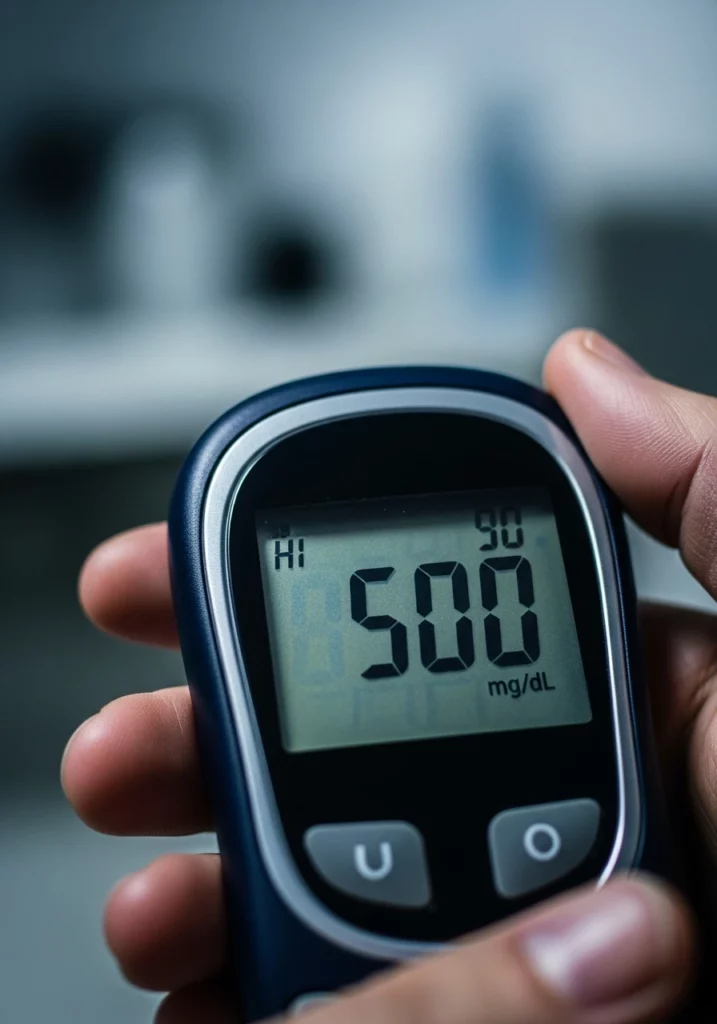
If your meter reads “HI” or shows a number over 500 mg/dL, this is a medical emergency. If your blood sugar is over 500, the absolute only safe answer is to seek immediate emergency medical care to prevent a coma.
When to Go to the ER
Many newly diagnosed patients ask, “Should I go to the ER if my blood sugar is 200?” Generally, a reading of 200 mg/dL does not require an ER visit if you feel relatively normal and can bring it down with medication and walking.
However, you must go to the ER immediately if you have persistent high levels over 300 mg/dL that refuse to drop after medication or if you begin vomiting, hyperventilating, or feeling severely disoriented. These are classic signs of diabetic ketoacidosis (DKA).
Blood Sugar Levels Chart (Reference Section)
To manage your condition effectively, you need a clear baseline of what constitutes normal, elevated, and dangerous levels. Use this standardized clinical chart as a quick reference guide.
| Category | Fasting Level (mg/dL) | Post-Meal Level (mg/dL) |
| Normal (Non-Diabetic) | 70 – 99 | Under 140 |
| Prediabetes | 100 – 125 | 140 – 199 |
| Diabetes (Controlled target) | 80 – 130 | Under 180 |
| Severe Hyperglycemia | 250+ | 300+ |
What Causes High Blood Sugar?
To stop a spike from happening, you must identify the root biological cause. The most common culprit is simply overeating carbohydrates, which overwhelms your body’s insulin capacity.
However, diet is not the only factor. Severe psychological or physical stress forces the liver to release emergency glucose. This is why a stressful day at work can ruin your glucose readings even if your diet was perfect.
Illness and infections, such as a severe cold or a UTI, also trigger a massive immune response that spikes blood sugar. Finally, missing a scheduled dose of your oral medication or background insulin will immediately result in climbing numbers.
What to Do When Blood Sugar Is Low (Comparison Section)
While high blood sugar damages the body over time, low blood sugar (hypoglycemia) can be immediately fatal if your brain runs out of fuel. The treatment protocols are exact opposites.
If you have high sugar, your goal is hydration, exercise, and insulin. If you are wondering what to do when blood sugar is low (under 70 mg/dL), you must immediately consume 15 grams of fast-acting, sugary carbohydrates, like fruit juice or glucose tablets.
Never exercise or take insulin when your blood sugar is low. Treat the low immediately with fast carbs, wait 15 minutes, and recheck your levels to ensure you are safely out of the danger zone.
Can You Lower Blood Sugar Naturally Fast?
The concept of “natural” medicine is incredibly popular, but it must be applied practically. If you are dealing with a mild spike (e.g., 160 mg/dL), you absolutely can intervene without extra medication.
When looking for how to reduce blood sugar levels immediately and naturally, rigorous exercise is your best scientifically proven tool. A 20-minute power walk rapidly depletes the glucose circulating in your bloodstream.
Hydration and eating fiber-rich foods also naturally stabilize your system. However, if your levels are dangerously high (over 250 mg/dL), relying solely on “natural” methods is clinically unsafe; you must use your prescribed medical interventions.
FAQs
What is the fastest way to lower blood sugar?
The absolute fastest way to lower blood sugar is by administering a prescribed dose of rapid-acting insulin. If you do not take insulin, drinking two large glasses of water and engaging in 15 minutes of brisk cardiovascular exercise is the fastest non-pharmacological method.
What should I do if my blood sugar is over 300?
If your blood sugar is over 300 mg/dL, check your urine for ketones immediately. Take your prescribed correction medication, drink plenty of water, and avoid exercise if ketones are present. If it does not drop within an hour, contact your doctor.
Should I go to the ER if my blood sugar is 200?
Typically, a reading of 200 mg/dL does not warrant an emergency room visit unless it is accompanied by severe symptoms like vomiting, extreme confusion, or shortness of breath. You can usually manage a 200 mg/dL reading at home with water, light walking, and your standard medication.
What to do when blood sugar is low?
When your blood sugar drops below 70 mg/dL, strictly follow the “15-15 Rule.” Consume exactly 15 grams of fast-acting carbohydrates (like a half cup of apple juice or 3-4 glucose tablets), wait exactly 15 minutes, and recheck your levels.
Expert Conclusion
As a medical professional specializing in metabolic health, I continually reassure my patients that high blood sugar is highly manageable if addressed quickly and calmly. The key is acting decisively with hydration, movement, and your prescribed treatment plan.
However, occasional spikes are drastically different from persistent, chronic hyperglycemia. If you find yourself constantly battling high numbers despite a strict diet and medication routine, your current treatment protocol is failing.
Persistent hyperglycemia requires a comprehensive medical evaluation to adjust your insulin ratios or oral medications. Do not attempt to fight severe metabolic resistance entirely on your own.
If your blood sugar remains elevated above 300 mg/dL, or if your symptoms rapidly worsen into nausea and confusion, seek emergency medical care immediately.
Medical Disclaimer: The comprehensive information provided in this article is strictly for educational and informational purposes only and does not constitute professional medical advice, diagnosis, or treatment. Always consult directly with a qualified healthcare professional or endocrinologist before altering your medication dosages or diet during a glycemic event.