
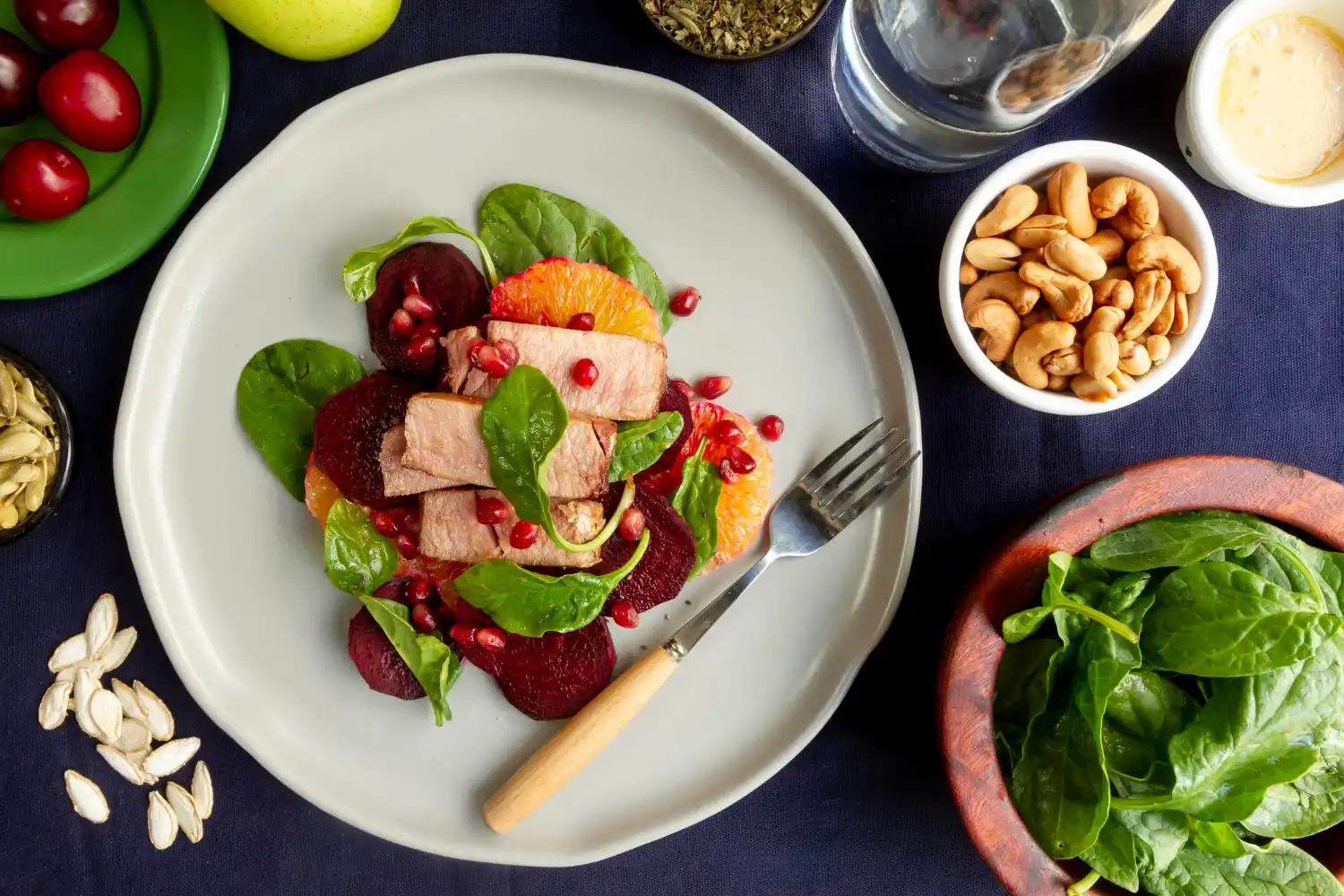
As a board-certified physician and nutrition specialist, I constantly see patients who feel overwhelmed by their new nutritional requirements. Finding delicious, sustainable diabetic diet recipes is often the most significant hurdle my patients face after receiving a diagnosis.
Just last week, a newly diagnosed patient sat in my office, nearly in tears, believing she could never enjoy a flavorful meal again after learning what is type 2 diabetes.
I reassured her that eating for metabolic health does not mean a sentence to a lifetime of bland, boiled chicken and unseasoned broccoli. In fact, managing your blood sugar through culinary choices can introduce you to a vibrant, diverse world of incredible foods.
Cooking for metabolic stability is entirely about understanding how specific ingredients interact with your unique physiology. In this comprehensive medical and culinary guide, we will explore exactly how to build satisfying meals that keep your glucose perfectly balanced.
TL;DR: Quick Overview
- Diabetic diet recipes focus heavily on balanced meals featuring low glycemic index carbohydrates, lean proteins, healthy fats, and high fiber.
- Implementing simple, evidence-based meal planning drastically improves your daily energy levels and long-term weight control.
- Following structured nutrition prevents dangerous blood sugar spikes and reduces your reliance on heavy medical interventions.
What Makes a Recipe “Diabetic-Friendly”?
Understanding the core principles of diabetes cooking is essential for long-term metabolic success. A recipe is considered safe when it actively prevents rapid, dangerous spikes in your post-meal blood glucose levels.
This is primarily achieved by selecting foods that score very low on the glycemic index. Low glycemic foods digest incredibly slowly, releasing a steady, manageable stream of glucose into your bloodstream over several hours.
Furthermore, a well-designed meal perfectly balances macronutrients to slow down gastric emptying. Combining healthy fats and lean protein with your carbohydrates acts as a biological buffer against rapid sugar absorption. Finally, strict portion control remains paramount, as even the healthiest complex carbohydrates will spike your sugar if consumed in massive quantities.
Nutrition for Diabetes
The Centers for Disease Control and Prevention strongly emphasizes that medical nutrition therapy is the cornerstone of metabolic management. Clinical guidelines dictate that patients must drastically limit their daily intake of added, refined sugars.
Instead, your daily nutrition should focus almost entirely on whole, unprocessed foods found on the perimeter of the grocery store. High dietary fiber intake is particularly crucial, as soluble fiber actively binds to cholesterol and slows intestinal sugar absorption.
In my practice, I always tell patients to aim for at least thirty to forty grams of fiber every single day. This simple dietary adjustment alone can significantly lower your hemoglobin A1c levels over a three-month period.
Diabetic Diet Recipes for Breakfast
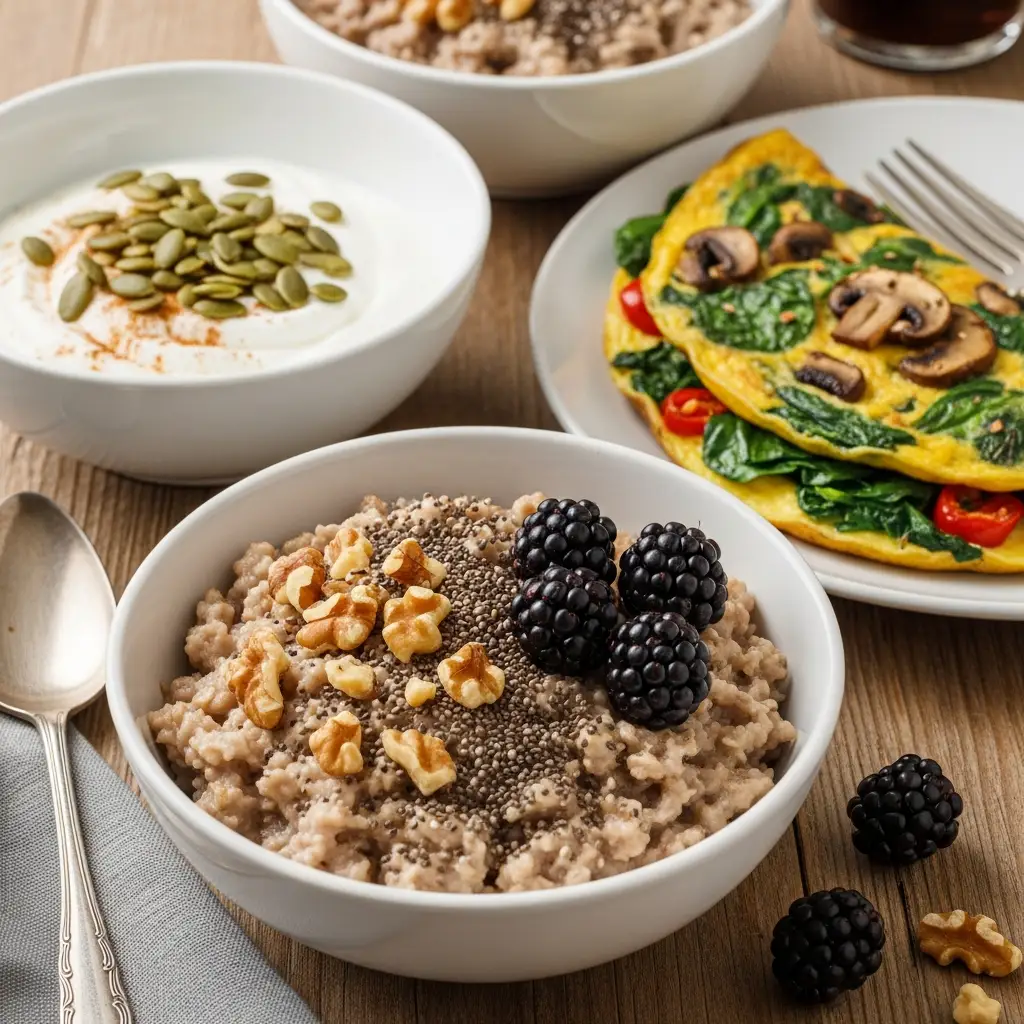
The first meal of your day sets your entire metabolic tone for the next twelve hours. Eating a heavy, carbohydrate-dense breakfast usually triggers a vicious cycle of blood sugar crashes and intense afternoon cravings.
Therefore, your morning diabetic diet recipe breakfast should heavily prioritize high-quality protein and dietary fiber. A perfect example is a bowl of steel-cut oatmeal generously topped with crushed walnuts, chia seeds, and fresh blackberries. If you have ever wondered is oatmeal good for diabetics, the answer is absolutely yes, provided it is the unprocessed variety.
Alternatively, plain Greek yogurt mixed with roasted pumpkin seeds and a dash of cinnamon provides an excellent protein boost. For a savory option, a spinach and mushroom vegetable omelet cooked in extra virgin olive oil delivers incredible, sustained morning energy.
Diabetic Recipes for Lunch & Dinner
Midday and evening meals require a strategic approach to prevent lethargy and overnight glucose fluctuations. Excellent diabetic diet recipes for dinner always start with a massive foundation of non-starchy vegetables.
I frequently recommend building a meal around a substantial piece of grilled chicken breast or baked wild-caught salmon. Pair this high-quality protein with a generous portion of roasted asparagus or steamed broccoli.
Instead of traditional white rice, utilize fiber-rich alternatives like a Mediterranean quinoa salad or a hearty, warm lentil soup. These diabetic recipes for breakfast, lunch, and dinner ensure you remain completely satiated while maintaining perfect metabolic control.
Easy Diabetic Recipes for Beginners
Transitioning to a new lifestyle often feels intimidating, especially if you rarely cook at home. Fortunately, easy diabetic recipes for beginners require absolutely no formal culinary training to execute perfectly.
Simple diabetic recipes should rely on foundational cooking techniques like basic roasting and quick stir-frying. A beginner-friendly dinner might involve tossing chopped zucchini, bell peppers, and pre-cooked shrimp into a hot skillet with some soy sauce.
Another incredibly simple option is a massive salad bowl loaded with mixed greens, canned tuna, cherry tomatoes, and a light vinaigrette. These quick, approachable meals help newly diagnosed patients safely build their culinary confidence without feeling overwhelmed.
Easy Cheap Diabetic Meals
A widespread and deeply frustrating myth is that eating for metabolic health must be outrageously expensive. In reality, some of the absolute healthiest foods on the planet are incredibly budget-friendly.
Creating easy, cheap diabetic meals simply requires a bit of strategic grocery shopping and basic pantry organization. Dried beans, lentils, and chickpeas are nutritional powerhouses that cost mere pennies per serving.
You can easily pair a controlled portion of black beans with brown rice and fresh salsa for a perfectly balanced, inexpensive dinner. Additionally, utilizing frozen vegetables and bulk eggs provides phenomenal, low-cost nutrition that will not strain your weekly grocery budget.
3-Ingredient Recipes for Diabetics
On evenings when you are completely exhausted, complex recipes often lead to poor, impulsive dietary choices. Having a solid repertoire of 3-ingredient recipes for diabetics completely eliminates the temptation to order unhealthy takeout.
These ultra-minimalist meals focus entirely on combining a protein, a vegetable, and a healthy fat. For instance, baking a chicken breast with a side of broccoli drizzled in olive oil takes less than five minutes to prepare.
Another phenomenal, lightning-fast option is scrambling three whole eggs with a handful of fresh spinach and a sprinkle of feta cheese. These stripped-down meals guarantee that you stay on track with your health goals, regardless of your busy schedule.
Low-Carb Diabetic Diet Recipes
For many of my patients, restricting overall carbohydrate intake is the fastest way to achieve blood sugar stability. Learning how to properly implement a low-carb diet for diabetics specifically targets the root cause of insulin resistance by drastically reducing glucose loads.
This approach eliminates highly refined carbohydrates like traditional pasta, white bread, and sugary baked goods entirely. Instead, you significantly increase your intake of healthy, satiating fats like avocados, macadamia nuts, and extra virgin olive oil.
A standard low-carb dinner might feature a grass-fed beef patty served over a bed of mixed greens, topped with sliced avocado. This specific dietary framework forces your body to burn stored fat for daily energy rather than relying on constant glucose spikes.
Vegetarian & Vegan Diabetic Diet Recipes
Plant-based diets are highly effective for managing metabolic conditions when structured correctly. However, vegetarian diabetic diet recipes must be carefully planned to avoid accidental carbohydrate overloading from excess grains and fruits.
A properly formulated vegan diabetic diet relies heavily on plant-based proteins like organic tofu, tempeh, and edamame. A fantastic plant-based dinner is a rich, coconut-milk lentil curry served alongside a modest portion of cauliflower rice.
You can also prepare a phenomenal Mediterranean chickpea salad tossed with cucumbers, kalamata olives, and a bright lemon vinaigrette. These vibrant, plant-forward meals drastically reduce systemic inflammation while providing massive amounts of essential micronutrients and fiber.
Heart-Healthy & Cardiac-Diabetic Diet Recipes
Because metabolic disorders significantly increase your risk of cardiovascular disease, protecting your heart is paramount. Heart-healthy diabetic diet recipes specifically focus on reducing harmful trans fats and strictly limiting your daily dietary sodium.
When preparing cardiac-diabetic diet recipes, you must completely avoid highly processed meats like bacon, sausage, and deli cold cuts. Instead, rely on fresh poultry, wild-caught fatty fish, and plant-based protein alternatives.
Utilize fresh herbs, robust spices, and citrus juices to flavor your food rather than reaching for the salt shaker. Cooking salmon in parchment paper with fresh dill and lemon slices perfectly exemplifies a phenomenal cardiac and diabetic diet recipe.
Renal & Kidney Diabetic Diet Recipes
Patients suffering from diabetic nephropathy face incredibly complex, highly restrictive nutritional challenges. Renal diabetic diet recipes must simultaneously manage blood sugar while strictly limiting compounds that stress the kidneys.
If you have compromised kidney function, you must carefully monitor your intake of potassium, phosphorus, and overall protein. A kidney diabetic diet recipe plan often requires avoiding otherwise healthy foods like bananas, tomatoes, and dark leafy greens.
Instead, a renal and diabetic diet focuses on lower-potassium options like apples, cabbage, and green beans. Working closely with a specialized clinical dietitian is absolutely essential when navigating these highly specific, overlapping medical dietary restrictions.
Mediterranean Diabetic Diet Recipes
Cardiologists and endocrinologists universally praise the Mediterranean diet for diabetics for its profound metabolic benefits. Incorporating these specific recipes into your weekly routine actively improves your cellular insulin sensitivity over time.
This culinary style relies almost exclusively on heart-healthy monounsaturated fats, primarily sourced from high-quality olive oil and fresh nuts. It completely shuns highly processed seed oils, artificial additives, and refined sugars.
A staple meal might involve baking a fresh white fish with crushed tomatoes, garlic, and capers. This incredibly flavorful approach to eating drastically reduces chronic cellular inflammation, which is the root cause of insulin resistance.
Pre-Diabetic & Calorie-Controlled Recipes
If your physician has warned you about elevated fasting glucose, immediate dietary intervention can completely reverse the trajectory. Learning exactly what is prediabetes is the first step, and following specific prediabetic diet recipes is designed to stop the progression of metabolic dysfunction in its tracks.
Often, this simply requires modest weight loss achieved through careful, sustainable calorie management. Following 1800-calorie diabetic diet recipes provides enough energy to prevent fatigue while facilitating safe, gradual fat loss.
These meals emphasize high-volume, low-calorie foods like massive leafy green salads and water-dense vegetables. By shedding just five to ten percent of your total body weight, you can dramatically restore your natural pancreatic function.
Diabetic Diet Menu Ideas (Weekly Planning)

Success in the kitchen requires looking at your dietary intake from a broader, weekly perspective. Generating a structured, well-rounded diabetic meal plan requires prioritizing culinary variety to prevent extreme flavor boredom.
If you eat grilled chicken every single night, you will inevitably break your diet and order a pizza. Therefore, structure your week with specific themes, such as a dedicated seafood night, a vegetarian night, and a slow-cooker night.
Always practice strategic batch cooking on Sundays to ensure you have healthy lunches prepared for your busy workdays. Managing your portion control becomes exponentially easier when your meals are already neatly packaged in your refrigerator.
21 Easy Diabetic-Friendly Recipes to Try This Season
To keep your culinary journey exciting, you must continuously experiment with fresh, seasonal ingredients. Compiling a list of 21 easy diabetic-friendly recipes to try this season keeps your weekly menu incredibly vibrant.
During the brisk autumn months, focus on hearty, slow-roasted root vegetables and comforting, low-sodium turkey chilies. In the heat of summer, pivot to bright, refreshing cucumber salads and perfectly grilled, marinated skewers.
Keep this quick list format pinned to your refrigerator for instant culinary inspiration when you feel unmotivated. Rotating your meals based on the current season guarantees optimal nutrient density and exceptional flavor profiles.
Expert-Recommended Diet Approaches
The medical community continuously evolves its understanding of optimal metabolic nutrition through rigorous clinical trials. Currently, Michael Mosley diabetic diet recipes have gained massive popularity for their highly effective, evidence-based approach.
These modern strategies often combine strict low-carbohydrate principles with the powerful metabolic benefits of intermittent fasting. By restricting your daily eating window, you naturally allow your baseline insulin levels to drop significantly.
However, intermittent fasting is absolutely not appropriate for every patient, especially those actively taking synthetic insulin. Always discuss these advanced, expert-recommended dietary protocols with your primary endocrinologist before making sudden, drastic lifestyle changes.
Common Mistakes in Diabetes Cooking
Even well-intentioned patients frequently make critical culinary errors that completely derail their metabolic progress. The most common mistake I see is patients aggressively overeating foods simply because they are labeled healthy.
Consuming an entire jar of natural almond butter will still cause massive weight gain, despite being a good fat. Additionally, many newly diagnosed patients panic and attempt to skip consuming all carbohydrates entirely, leading to severe nutritional deficiencies.
Another massive pitfall is completely ignoring hidden sugars in commercial salad dressings, barbecue sauces, and pre-packaged marinades. You must become an expert at reading nutritional labels to accurately protect your delicate blood sugar balance.
Who Should Follow a Diabetic Diet?
The dietary principles outlined in this guide are not exclusively reserved for those with a formal medical diagnosis. In truth, these nutritional strategies are highly beneficial for almost the entire adult population.
This lifestyle is obviously ideal for individuals actively managing their condition or attempting to reverse prediabetes, which perfectly aligns with a standard type 2 diabetes diet. However, anyone struggling with chronic systemic inflammation, severe afternoon fatigue, or stubborn abdominal fat will profoundly benefit.
Eating a diet rich in high-quality lean proteins, abundant vegetables, and complex carbohydrates is the foundation of human longevity. It represents a highly sustainable, scientifically validated approach to achieving total, holistic health.
Safety & Medical Guidance
Before completely overhauling your daily nutrition, you must prioritize your fundamental physical safety. According to the National Institutes of Health, drastically changing your carbohydrate intake will immediately impact your ability to maintain normal blood sugar levels.
If you are currently taking prescription metabolic medications or insulin, you must monitor your glucose with extreme diligence. Eating a strictly low-carbohydrate diet without adjusting your pharmaceutical dosages can quickly lead to severe, life-threatening hypoglycemia.
Therefore, you must explicitly consult a qualified healthcare provider or a registered dietitian before implementing these sweeping dietary changes. We will safely adjust your specific medical protocol to perfectly match your new, incredibly healthy culinary lifestyle.
FAQs
What foods are best for diabetics?
The optimal foods include high-fiber whole grains, high-quality lean proteins, non-starchy vegetables, and healthy monounsaturated fats.
Can diabetics eat carbs?
Yes, but you must strictly consume controlled portions of low-glycemic, complex carbohydrates while entirely avoiding highly processed, refined sugars.
What is the best diabetic meal plan?
The absolute best plan provides perfectly balanced macronutrients, utilizes primarily low-glycemic index foods, and maintains highly consistent daily meal timing.
Are low-carb diets good for diabetes?
They are frequently highly effective for rapid weight loss and blood sugar control, but they must be carefully personalized and strictly medically supervised.
Where can I get free diabetic recipes?
You can easily access incredible, medically verified recipes directly through trusted medical nonprofits, public health organizations, and hospital websites.
Conclusion
Navigating a new culinary landscape after a medical diagnosis initially feels like an incredibly daunting, impossible task. However, as I constantly remind my clinical patients, taking total control of your kitchen is the fastest route to true metabolic freedom.
Mastering diabetic diet recipes simply requires a fundamental understanding of how specific macronutrients actively influence your cellular insulin response. By prioritizing high-fiber vegetables, lean proteins, and healthy fats, you can completely eliminate dangerous, exhausting glucose spikes.
Remember that eating for your health does not require suffering through boring, flavorless meals or expensive specialty ingredients.
Whether you are exploring a plant-based approach, protecting your renal function, or simply trying to lose abdominal fat, delicious options exist. Utilize the free resources, detailed meal plans, and simple, three-ingredient recipes we have thoroughly discussed to build your culinary confidence.
Most importantly, always maintain an open, honest dialogue with your dedicated medical team as you implement these powerful lifestyle changes. We are here to safely guide your medication adjustments as your newly balanced diet naturally begins to heal your metabolism.
By actively embracing these evidence-based culinary strategies, you can successfully reclaim your physical energy, protect your long-term health, and truly enjoy your food again.
Evidence-Based References:
- Mayo Clinic — Diabetes diet: Create your healthy-eating plan
- MedlinePlus — Diabetes type 2 – meal planning
- National Library of Medicine — Comparison of a low-glycemic index vs standard diabetic diet
- National Institute of Diabetes and Digestive and Kidney Diseases — Diabetes Diet, Eating, & Physical Activity
- National Library of Medicine — Dietary patterns and management of type 2 diabetes: A systematic review of randomised clinical trials
- Mayo Clinic — Diabetes foods: Can I substitute honey for sugar?
- MedlinePlus — Gestational diabetes diet
- National Library of Medicine — Effects of a low-carbohydrate diet on glycemic control in outpatients with severe type 2 diabetes
- Mayo Clinic — Diabetes diet: Should I avoid sweet fruits?
- National Library of Medicine — Effect of Medical Nutrition Therapy for Patients With Type 2 Diabetes in a Low-/No-Cost Clinic: A Propensity Score-Matched Cohort Study
- National Library of Medicine — An AI Dietitian for Type 2 Diabetes Mellitus Management Based on Large Language and Image Recognition Models: Preclinical Concept Validation Study