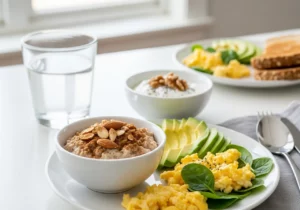
To lower blood sugar fast, drink water, stay lightly active (like walking), and avoid eating carbs or sugary foods. If you’re not on food, a short walk can help your muscles use glucose. Deep breathing also reduces stress-related spikes. If levels are very high, follow your doctor’s emergency plan immediately.
High blood sugar (hyperglycemia) can be an incredibly alarming experience, often leaving you feeling exhausted, excessively thirsty, and deeply anxious. Whether you have just checked your glucose monitor and seen a surprisingly high number, or you are managing a chronic metabolic condition daily, knowing exactly how to lower blood sugar fast is a crucial life skill that every person with diabetes must master.
Unmanaged high blood sugar can quickly lead to severe dehydration, nerve damage, and potentially dangerous emergency complications. Therefore, understanding how to lower high blood sugar fast is not just about long-term management—it is about protecting your immediate safety and well-being.
As health writer Christina Ross explains, the right response to a spike depends entirely on how high your reading is and whether symptoms like nausea, ketones, or confusion are present. In one recent case, she spoke with Robert, a 58-year-old Type 2 patient whose post-dinner reading climbed to 290 mg/dL. By drinking water immediately, stopping all carbohydrate intake, and taking a 20-minute walk, his reading dropped by over 60 points within the hour — no extra medication needed.
This guide covers every proven, evidence-based method to bring glucose down safely, quickly, and naturally.
What Is High Blood Sugar (Hyperglycemia)?
High blood sugar, medically known as hyperglycemia, happens when glucose accumulates in your bloodstream faster than your body can process it. This occurs when your cells resist insulin, your pancreas produces too little of it, or you consume too many carbohydrates at once.
A fasting reading above 130 mg/dL or a post-meal reading above 180 mg/dL is generally considered elevated for people with diabetes. According to the Mayo Clinic, untreated hyperglycemia damages blood vessels, nerves, and organs over time.
Common triggers include stress, illness, missed medications, carbohydrate-heavy meals, and physical inactivity. Recognizing these patterns gives you the power to act before a mild spike becomes a medical emergency. Understanding high blood sugar symptoms — such as extreme thirst, blurry vision, and fatigue — is your first line of defense.
Why Is Lowering Blood Sugar Quickly Important?
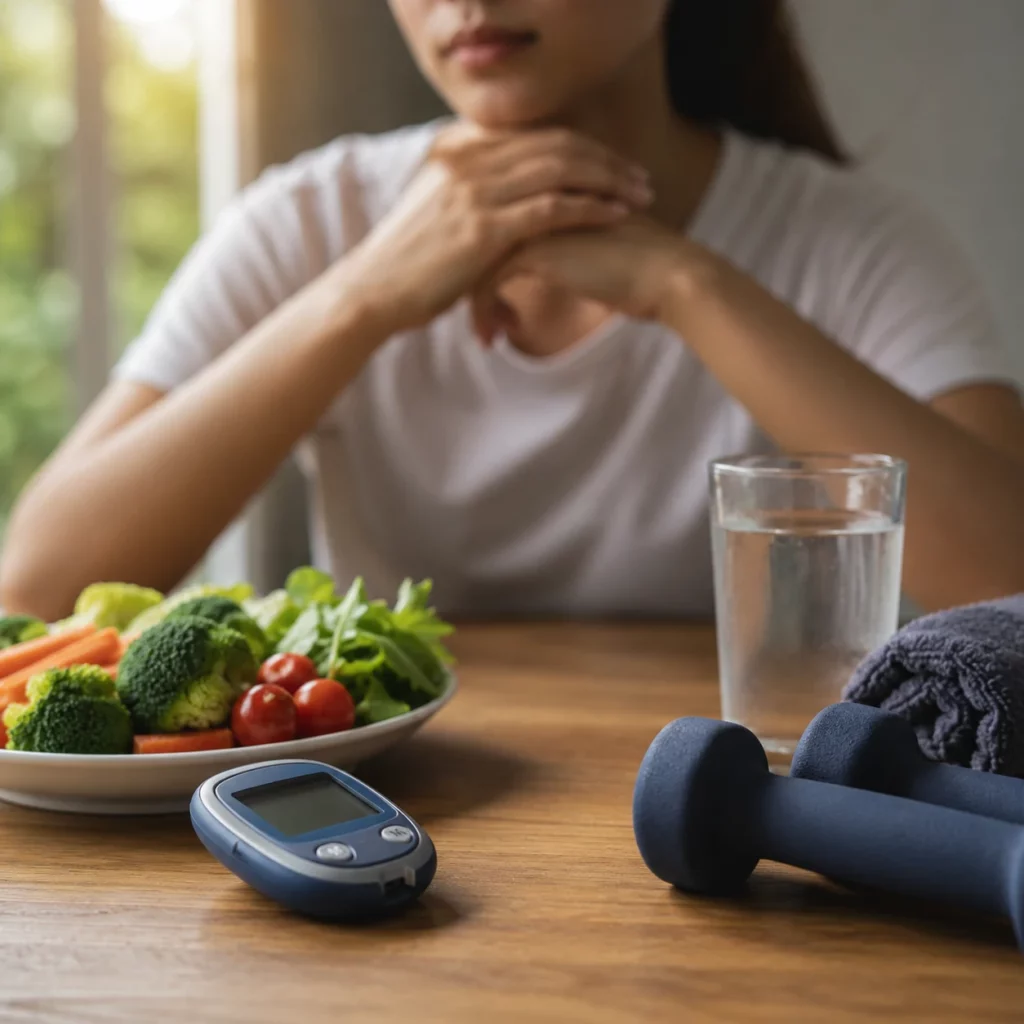
Acting fast when glucose climbs protects your body from both immediate and long-term damage. The American Diabetes Association confirms that prolonged hyperglycemia directly damages your kidneys, nerves, eyes, and cardiovascular system.
Even a single severe spike can disrupt your body’s metabolic balance for hours. Learning to respond immediately reduces your risk of life-threatening complications like diabetic ketoacidosis (DKA) and hyperosmolar hyperglycemic state (HHS).
Beyond the physical harm, uncontrolled spikes fuel dangerous emotional anxiety and burnout. Taking swift, effective action the moment your monitor shows a high number restores both your physical health and your peace of mind.
Normal Blood Sugar Levels Reference Chart
Before taking action, you need a clear reference point. Knowing where your numbers fall helps you choose the right response — from a simple walk to an emergency room visit.
| Time of Test | Normal (No Diabetes) | Target (With Diabetes) |
|---|---|---|
| Fasting (Before Meals) | 70–99 mg/dL | 80–130 mg/dL |
| 2 Hours After Eating | Under 140 mg/dL | Under 180 mg/dL |
| Dangerous Level | — | 250+ mg/dL |
| Critical Emergency | — | 600+ mg/dL |
For a complete age-specific breakdown, review the blood sugar levels reference guide for the most current clinical targets.
What Helps Immediately Lower Blood Sugar?
When your glucose monitor flashes a dangerously high number, you need immediate, decisive action — not a long-term diet plan. What helps to immediately lower blood sugar depends heavily on whether you are experiencing a mild spike or a severe medical event.
If you are conscious, not nauseous, and dealing with a moderate spike, movement and hydration are your best tools. Drink 16 to 24 ounces of plain water immediately to help your kidneys flush out excess glucose through urine.
Next, engage in light to moderate aerobic activity — brisk walking, cycling, or bodyweight exercises. This forces your muscles to absorb circulating glucose for energy. According to the Cleveland Clinic, physical movement combined with hydration is among the most effective first-line responses to a moderate spike.
You must also immediately stop eating any carbohydrates. Adding more glucose to an already overloaded system prolongs the spike and worsens your symptoms.
How to Lower Blood Sugar Fast Naturally
Many people want to avoid relying on extra insulin doses for minor, everyday spikes. The key to lowering blood sugar naturally and fast lies in directly leveraging your body’s own metabolic processes.
Your muscles are the largest consumers of glucose in your body. When you activate them through exercise, you completely bypass the need for large amounts of insulin. This is the most powerful natural glucose-lowering mechanism available to you.
Combining physical activity with proper hydration creates a highly effective natural glucose-lowering response. The National Health Service confirms that staying active and well-hydrated are cornerstones of daily glucose management.
Walking After Meals
A 15-to-20-minute brisk walk after eating is one of the most clinically validated glucose-lowering strategies available. Christina Ross frequently reviews case studies showing patients reducing their post-meal spikes by 30 to 50 mg/dL simply by walking after dinner.
Explore the full benefits of walking for diabetes control if you want to build this into a consistent, powerful daily habit.
Hydration and Glucose Flushing
Drinking two large glasses of water dilutes the sugar concentration in your blood and signals your kidneys to excrete excess glucose through urine. This passive but highly effective strategy works within 30 to 60 minutes and requires zero equipment.
Aim for plain, filtered water. Avoid fruit juices, sports drinks, and sodas entirely—these all spike glucose further and compound the problem.
Deep Breathing and Stress Reduction
High stress releases cortisol and adrenaline—hormones that actively push glucose higher by signaling the liver to release emergency sugar stores. Calming your nervous system through five to ten minutes of slow, diaphragmatic breathing physically reduces those counter-regulatory hormones.
For a complete guide to managing stress-related spikes, review these stress management techniques for diabetics.
How to Lower Blood Sugar Fast Without Insulin
For individuals with prediabetes or diet-controlled Type 2 diabetes, insulin is not an option. That makes behavioral tools even more critical.
The main strategy for lowering glucose fast without medication relies entirely on targeted physical activity and aggressive carbohydrate restriction. Stop adding fuel to the fire—avoid all sugary drinks, white breads, and fruits until your numbers drop back into a safe range.
If you are genuinely hungry, consume only lean proteins or healthy fats: a handful of almonds, a hard-boiled egg, or a small portion of grilled chicken. Understanding what foods lower blood sugar immediately helps you make the right emergency food choices every time.
The MedlinePlus clinical guidelines confirm that hydration, stress reduction, and physical activity are effective non-pharmacological interventions for mild-to-moderate hyperglycemia in people not using insulin.
How to Lower Blood Sugar Fast for Type 2 Diabetes
Type 2 diabetes operates differently from Type 1. Your pancreas still produces insulin, but your cells resist its effects. The goal is to break that insulin resistance quickly.
Exercise is uniquely powerful here. Muscle contractions open a separate cellular glucose-absorption pathway that works independently of insulin receptors. This is why a 20-minute walk produces measurable results even when oral medications feel insufficient.
According to the Harvard T.H. Chan School of Public Health, the quality and timing of carbohydrate intake profoundly affect post-meal glucose spikes in people with type 2 diabetes. Choosing a low-carb diet for diabetics as your baseline eating pattern dramatically reduces the frequency of dangerous spikes.
Additionally, aggressively cutting all refined carbohydrates for the rest of the day after a spike is a mandatory step. If your monitor reads 200 mg/dL, eating a sandwich for lunch will only compound the crisis. Switch to a strict protein-and-vegetable meal plan for the next several hours.
How to Lower Blood Sugar Fast for Type 1 Diabetes
Type 1 diabetes presents a completely different metabolic landscape because the pancreas produces absolutely zero insulin. Lowering blood sugar fast with Type 1 relies exclusively on administering external, rapid-acting insulin according to your prescribed correction factor.
You cannot simply walk off a 300 mg/dL spike if your body has no insulin to unlock the cells. Attempting to exercise without sufficient insulin in your bloodstream actually risks triggering severe diabetic ketoacidosis symptoms. Your liver may respond by releasing even more sugar and dangerous ketones into your blood.
Always follow the specific correction factor ratio provided by your medical team. While waiting for rapid-acting insulin to peak, drink large amounts of water and monitor your numbers every 30 minutes to prevent a dangerous hypoglycemic crash.
How to Lower Blood Sugar Fast While Pregnant
Gestational diabetes requires an incredibly gentle, careful approach to protect both mother and baby. Extreme fasting or intense workouts are never recommended during pregnancy. Your body is already under immense metabolic stress, and drastic measures can harm fetal development.
Instead, taking a slow, 15-minute stroll after every meal safely blunts post-meal glucose spikes without causing fetal distress. Drinking plenty of water throughout the day also dilutes blood sugar effectively.
For detailed dietary guidance specific to pregnancy, explore the gestational diabetes diet plan and always consult your OB-GYN before making any changes.
Foods That Lower Blood Sugar Quickly
No food actively removes sugar from your bloodstream the way insulin does. However, certain foods slow digestion, reduce further glucose absorption, and prevent spikes from climbing higher. When your numbers are elevated, your next food choice is absolutely critical.
Best Foods to Eat During a Spike
Leafy Green Vegetables — Spinach, kale, and broccoli are fiber-dense and have a nearly zero glycemic index. They physically slow your stomach’s emptying process. Pairing these with foods to include in a diabetic diet helps build a permanently protective eating pattern.
Raw Nuts and Seeds — Almonds, walnuts, and chia seeds are packed with healthy fats and protein. They produce virtually no glucose response and keep you satiated without adding to your spike.
Lean Protein — Hard-boiled eggs, grilled chicken breast, and baked tofu stabilize your metabolic system and prevent post-meal glucose crashes. The American Diabetes Association highlights lean protein as a cornerstone of every glucose-stabilizing meal plan.
Avocados — Loaded with monounsaturated fats, half an avocado can measurably improve insulin sensitivity within hours of consumption.
Cinnamon — Contains cinnamaldehyde, a bioactive compound that mildly mimics insulin’s cellular effects. Add it to warm water or plain Greek yogurt for gentle metabolic support.
Whenever blood sugar runs high, completely avoid rice, white potatoes, white bread, pasta, and tropical fruits. Build an emergency meal using only the low-carb proteins and vegetables listed above.
Best Drinks to Lower Blood Sugar Quickly
Liquid calories are the worst enemy of insulin resistance, but the right beverages are your greatest metabolic ally. When your glucose spikes, your blood becomes thick and viscous—increasing the burden on every organ in your body.
Plain water is always your best first choice. Drinking 16–20 oz immediately dilutes blood sugar and forces kidney excretion. Learn more about what to drink to lower blood sugar immediately for a full breakdown of your best options.
Unsweetened Green Tea — Contains EGCG catechins, powerful antioxidant compounds that naturally improve cellular insulin sensitivity. The Cleveland Clinic acknowledges antioxidant-rich beverages as a supportive component of glucose management.
Apple Cider Vinegar Water—One tablespoon of raw, unfiltered ACV in a large glass of water dramatically slows gastric emptying after meals, blunting the glucose spike from food already consumed. Drinking this 20 minutes before your next meal significantly improves immediate cellular insulin sensitivity.
Cinnamon Tea — Steep one cinnamon stick in hot water for 10 minutes and drink it unsweetened. The bioactive compounds gently support cellular glucose uptake over time.
Always avoid fruit juice, sweetened teas, energy drinks, regular soda, and sports drinks. Even small amounts of these dramatically worsen spikes.
Home Remedies to Lower Blood Sugar Fast
Beyond diet and exercise, several traditional remedies provide excellent supportive care during a spike. Always remember these methods complement—never replace—prescribed medications.
Apple Cider Vinegar — One to two tablespoons diluted in a large glass of water before a meal can improve insulin sensitivity and gently blunt an incoming glucose spike. This is one of the most clinically studied natural glucose-management strategies available.
Ceylon Cinnamon—Has mild, evidence-supported glucose-lowering properties due to its bioactive cinnamaldehyde content. It works best over time as part of a daily routine.
Bitter Melon Juice — A traditional remedy in Asian and Caribbean medicine. Small amounts have shown modest glucose-lowering effects in preliminary research published by the National Institutes of Health.
Fenugreek Seed Water—Soaking fenugreek seeds overnight and drinking the water in the morning slows glucose absorption through its high soluble fiber content.
Aggressive hydration and a brisk walk will always outperform herbal supplements for producing immediate, measurable results on your glucose monitor.
High Blood Sugar Emergency: What to Do
Sometimes glucose climbs too high for lifestyle steps alone. You must know exactly when home remedies are insufficient and professional care is urgently needed.
Above 250 mg/dL: Check urine for ketones immediately using an over-the-counter test strip. If ketones are moderate to high, do not exercise — physical activity with ketones can drive glucose dangerously higher. Drink large amounts of water and administer your prescribed rapid-acting insulin if available. Review what level of blood sugar is dangerous as your clinical reference for action thresholds.
Above 300 mg/dL: This is a severe medical warning sign. Organs begin experiencing acute metabolic stress. Contact your healthcare provider immediately.
Above 600 mg/dL: This represents a potential HHS diabetes emergency — a life-threatening condition. Call emergency services immediately. Symptoms include extreme confusion, severe dehydration, rapid shallow breathing, and fruity-smelling breath. According to MedlinePlus, HHS carries a significant mortality risk without prompt hospital treatment.
The Centers for Disease Control and Prevention warns that untreated DKA—signaled by moderate-to-high ketones alongside elevated blood sugar—requires immediate emergency care. Never attempt to manage either of these conditions at home alone.
What NOT to Do When Blood Sugar Is High
Making the wrong move during a spike can worsen the situation significantly. Avoid these critical mistakes:
Do not panic—dose insulin. Taking extra insulin without following your prescribed correction factor can cause a dangerous hypoglycemic crash. Always follow your doctor’s exact dosing plan without deviation.
Do not exercise if ketones are present. Physical activity with ketones above 250 mg/dL drives glucose even higher and dramatically increases the risk of severe DKA.
Do not drink sugary “health” beverages. Fruit juices, sports drinks, and sweetened teas spike blood sugar rapidly — even when marketed as healthy alternatives.
Do not keep eating carbohydrates. Adding more bread, rice, or sweets fuels the spike further. Pause all carbohydrate intake until levels return to a safe range.
Do not ignore warning symptoms. Nausea, vomiting, confusion, extreme fatigue, or fruity-smelling breath may indicate a medical emergency that requires hospital care immediately.
Do not rely solely on home remedies. Cinnamon and ACV may help slightly over time, but they are not effective for rapidly lowering dangerously high blood sugar on their own.
How Long Does It Take to Lower Blood Sugar?

Recovery time depends entirely on the method used and your level of baseline insulin resistance.
With brisk physical movement and aggressive hydration, most people see a significant drop within 30 to 45 minutes. Exercise is the fastest, most reliable natural method available for bringing glucose down without medication.
If you are wondering how long fasting takes to lower blood sugar, it typically requires 8 to 12 hours for fasting glucose to return to baseline. This is why doctors require an overnight fast before official metabolic blood panels.
Regarding medications, many patients ask how fast metformin works. While it begins reducing sugar absorption almost immediately in your gut, maximum fasting results typically appear within two to four weeks. For more details, explore how long it takes for metformin to reach full effectiveness.
Vitamins and Supplements That Support Glucose Control
These nutrients do not cure diabetes, but they actively support the cellular functions that regulate glucose over time.
Magnesium — Acts as a cofactor in over 300 enzymatic reactions, including insulin receptor signaling. Low magnesium is strongly associated with insulin resistance.
Chromium — Enhances insulin’s binding capacity at the cellular receptor level and reduces carbohydrate cravings significantly.
Vitamin D deficiency impairs pancreatic beta-cell function. Supplementing to normal levels visibly improves insulin production in many patients.
Vitamin B12 — Critical for nerve health. Metformin blocks B12 absorption, making supplementation necessary for long-term users.
Alpha-Lipoic Acid (ALA) — A potent antioxidant that reduces oxidative stress in blood vessels and lowers diabetic neuropathy pain. Explore diabetic neuropathy treatment for a fuller picture of how nerve damage is managed clinically.
Berberine — A plant-derived compound with published research showing glucose-lowering effects comparable to low-dose metformin in some studies.
Frequently Asked Questions
What helps immediately lower blood sugar?
The fastest non-medical methods are drinking 16–20 oz of plain water and taking a brisk 15-minute walk. Water dilutes the sugar in your bloodstream, while walking forces your muscles to absorb the excess glucose directly for energy. Together, these two steps can produce a measurable drop of 20–40 mg/dL within 30 to 45 minutes without any medication.
What foods lower blood sugar immediately?
No food actively removes sugar from your blood the way insulin does. However, eating zero-carb foods — such as almonds, hard-boiled eggs, or leafy greens — stops a spike from climbing higher. These high-fiber, high-protein options slow digestion completely, giving your body time to naturally process the excess glucose already circulating in your bloodstream safely.
What is the best drink to lower blood sugar?
Plain, filtered water is always your safest and most effective first choice because it helps your kidneys flush excess sugar through urine. Unsweetened green tea and apple cider vinegar water (one tablespoon in a large glass) are strong secondary options. Always avoid juice, soda, sports drinks, and sweetened tea, as even small amounts dramatically worsen blood sugar spikes.
How to lower blood sugar fast without insulin?
Without insulin, you must rely on burning excess sugar through moderate cardiovascular exercise combined with strict carbohydrate restriction and heavy hydration. A 15-to-20-minute brisk walk activates a non-insulin-dependent glucose absorption pathway in your muscles. Stop all carb intake and drink two large glasses of water while you move to maximize the glucose-clearing effect safely.
When should I go to the hospital for high blood sugar?
Seek immediate emergency care if your blood sugar reads above 250 mg/dL and you are experiencing vomiting, confusion, severe fatigue, or fruity-smelling breath. These are classic warning signs of diabetic ketoacidosis (DKA) or hyperosmolar hyperglycemic state (HHS)—both life-threatening conditions that cannot be safely managed at home. Call emergency services without any delay.
Conclusion
Experiencing a sudden, alarming spike in blood sugar is frightening, but knowing exactly how to lower blood sugar fast puts the control firmly back in your hands. Drinking water, stopping all carbohydrate intake, and taking a brisk walk remain your safest, most reliable first-line responses to any mild-to-moderate glucose spike.
However, always respect the profound difference between a temporary high reading and a true metabolic emergency. If you ever experience severe nausea, confusion, or fruity-smelling breath alongside high numbers, skip the home remedies entirely and seek professional emergency medical care immediately.
Your long-term goal is to prevent these emergencies from happening in the first place. By consistently prioritizing the best foods for diabetics, daily physical movement, and proper hydration, you will build a resilient metabolism that keeps blood sugar safely stabilized for life.
Authoritative References
- Centers for Disease Control and Prevention. (2025). Preventing Diabetic Ketoacidosis. https://www.cdc.gov/diabetes/about/diabetic-ketoacidosis.html
- American Diabetes Association. (2025). Low Blood Glucose (Hypoglycemia). https://diabetes.org/living-with-diabetes/treatment-care/hypoglycemia
- Mayo Clinic. (2025). Hyperglycemia in Diabetes. https://www.mayoclinic.org/diseases-conditions/hyperglycemia/symptoms-causes/syc-20373631
- Mayo Clinic. (2025). Diabetic Ketoacidosis. https://www.mayoclinic.org/diseases-conditions/diabetic-ketoacidosis/symptoms-causes/syc-20371551
- Cleveland Clinic. (2025). Hyperglycemia (High Blood Sugar). https://my.clevelandclinic.org/health/diseases/9815-hyperglycemia-high-blood-sugar
- Cleveland Clinic. (2025). Hypoglycemia (Low Blood Sugar). https://my.clevelandclinic.org/health/diseases/11647-hypoglycemia-low-blood-sugar
- Harvard T.H. Chan School of Public Health. (2025). Carbohydrates and Blood Sugar. https://nutritionsource.hsph.harvard.edu/carbohydrates/carbohydrates-and-blood-sugar
- World Health Organization. (2025). Diabetes. https://www.who.int/news-room/fact-sheets/detail/diabetes
- MedlinePlus. (2025). Diabetic Hyperglycemic Hyperosmolar Syndrome. https://medlineplus.gov/ency/article/000304.htm
- National Health Service. (2025). Hyperglycemia (High Blood Sugar). https://www.nhs.uk/conditions/high-blood-sugar-hyperglycaemia/