

As an endocrinologist, I constantly meet patients desperately struggling to manage their daily blood sugar levels. Just last week, a patient arrived feeling completely defeated by his high morning readings. He urgently needed to understand what a diabetic diet avoidance list actually entails to finally regain control.
After carefully reviewing his food journal, the hidden culprit became glaringly obvious. We quickly realized his supposedly healthy morning routine included a massive glass of commercial orange juice, packed with liquid sugar. He was absolutely shocked to discover his favorite staple foods actively worsened his condition.
Consequently, recognizing these hidden dietary traps is vital for your long-term metabolic health. Understanding exactly which specific supermarket items trigger dangerous insulin spikes serves as the absolute foundation of successful chronic disease management.
TL;DR: Quick Overview
- Avoid refined carbohydrates, sugary beverages, and heavily processed food items.
- These specific foods cause your blood sugar to spike dangerously and rapidly.
- Focus heavily on dietary fiber, lean protein, and healthy dietary fats.
- Follow a structured seven-day meal plan to establish safe eating habits.
- Your daily diet remains the absolute key to successful diabetes management.
What Does “Diabetic Diet Avoid” Mean?
When medical professionals discuss foods that diabetic patients must avoid, we are looking specifically at metabolic impact. We are identifying items that rapidly raise your blood glucose levels or trigger dangerous high blood sugar symptoms. The primary mechanism we monitor here involves the glycemic index (GI) and the glycemic load (GL) of your meals.
The glycemic index measures exactly how fast a specific carbohydrate turns into circulating blood glucose after you eat it.
Foods with a high glycemic index digest almost instantly, flooding your bloodstream with sugar before your body can produce insulin. Conversely, foods with a low glycemic index digest very slowly, providing a steady and safe release of physical energy.
10 Worst Foods for Diabetes
Creating a list of the 10 worst foods for diabetes helps patients navigate the chaotic modern grocery store. The foods that cause high blood sugar most aggressively usually completely lack natural fiber to slow their absorption. Here is the science-based list of dietary triggers you must eliminate from your daily routine.
First, heavily sweetened sugary drinks like soda and sweet tea act essentially as liquid candy in your bloodstream. Because they contain zero fiber, the liquid sugar hits your liver instantly, causing massive and dangerous metabolic spikes.
Second, white bread and refined flour products digest exactly like pure table sugar once they hit your stomach acid. The refining process strips away the healthy bran and germ, leaving only highly starchy endosperm behind.
Third, commercial pastries and baked goods combine heavily refined flour with massive amounts of added processed sugars. They also frequently contain dangerous trans fats or massive amounts of saturated fats that worsen cellular insulin resistance.
Fourth, pure candy and gummy sweets provide absolutely zero nutritional value while maximizing your daily glycemic load. These items force your pancreas into overdrive, accelerating the long-term burnout of your insulin-producing beta cells.
Fifth, deep-fried foods like french fries and onion rings create a catastrophic combination of high carbohydrates and inflammatory oils. The intense frying process creates advanced glycation end products, which actively damage your delicate blood vessels.
Sixth, heavily processed snacks like pretzels and commercial crackers digest rapidly, offering no real satiety or nutritional benefit. Patients often overeat these items because the lack of protein and fiber leaves them feeling constantly hungry.
Seventh, heavily sweetened breakfast cereals are frequently marketed as healthy but contain dangerous amounts of hidden fructose. Starting your morning with these cereals guarantees a massive blood sugar crash by the early afternoon.
Eighth, traditional ice cream delivers a massive payload of refined sugar mixed with heavy dairy fats. This specific combination keeps your blood sugar elevated for hours because the fat delays the sugar absorption just enough to cause prolonged hyperglycemia.
Ninth, modern fast food meals generally contain highly processed ingredients that aggressively promote systemic inflammation and obesity. The buns, sauces, and side dishes are entirely formulated with hidden sugars to maximize commercial palatability.
Tenth, excessive fruit juices completely lack the vital cellular fiber found in whole, natural fruits. Even completely natural apple juice concentrates the sugar of several apples into one glass, creating an instant metabolic spike.
Worst Fast Food for Diabetics
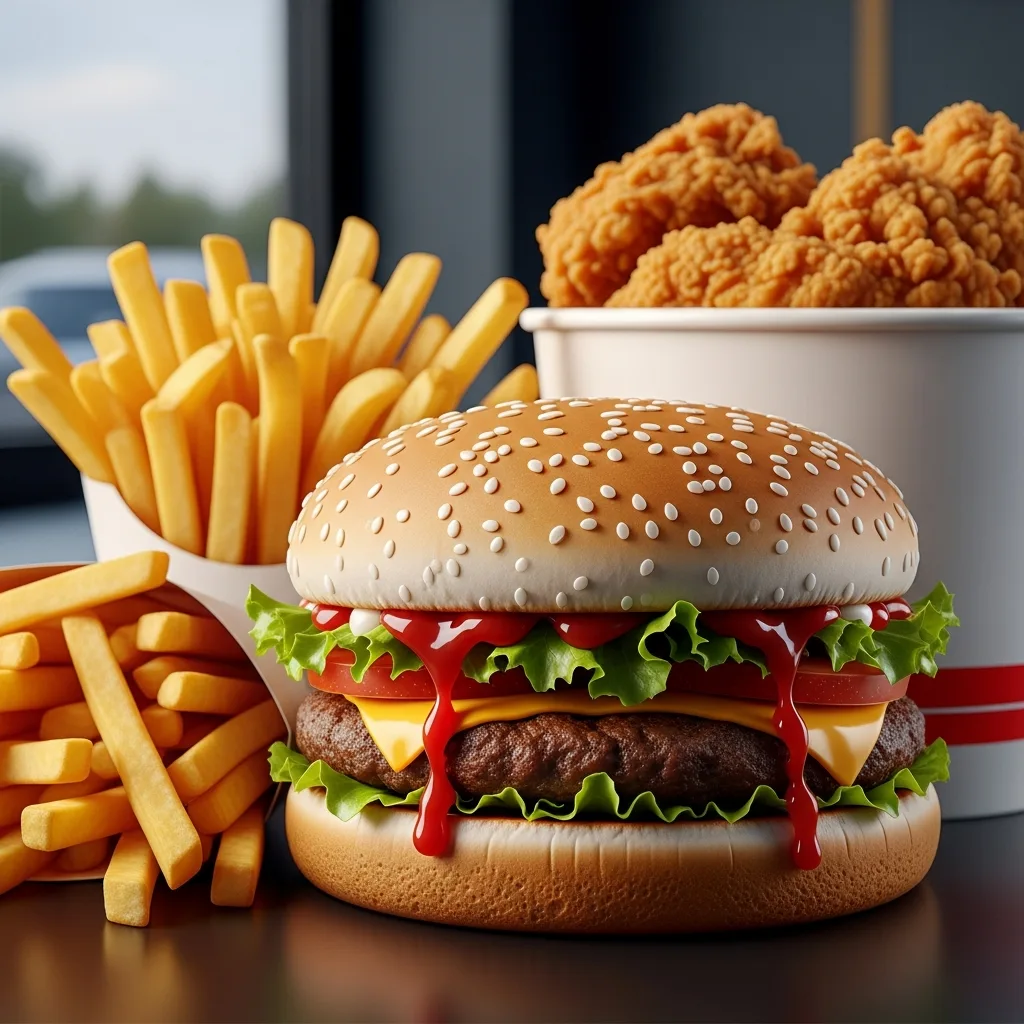
Navigating a drive-thru menu requires extreme caution when you are actively managing a metabolic condition. The absolute worst fast food for diabetics usually involves heavy combination meals featuring burgers and large fries. The oversized white flour bun, sugary ketchup, and starch-heavy potatoes create a perfect storm for severe hyperglycemia.
Fried chicken combinations also present massive dangers due to the heavy, carbohydrate-dense breading and inflammatory frying oils. These meals are incredibly high in calories and unhealthy fats, which heavily promotes dangerous visceral weight gain over time.
If you order sugary sodas alongside these meals, you are effectively drinking pure liquid syrup with your high-carb food. This rapidly overwhelms your available insulin, leading to extreme lethargy and blurry vision shortly after eating.
Worst Snacks for Diabetics
Mid-day snacking often destroys an otherwise perfectly managed daily nutritional profile. You must actively avoid traditional convenience items like potato chips, which are essentially just heavily salted, deep-fried starches. They provide zero lasting energy and actively promote dangerous spikes in your afternoon blood glucose levels.
Commercial cookies and candy bars should also be completely eliminated from your daily snacking rotation. These items trigger massive dopamine releases in the brain, leading to severe sugar cravings and uncontrollable traits of eating.
Instead, you must transition to vastly better dietary swaps like raw mixed nuts or unsweetened plain Greek yogurt. These alternatives provide healthy fats and high-quality protein, which actively stabilize your blood sugar until your next full meal.
Foods to Avoid with Hyperglycemia
When you are actively experiencing a state of hyperglycemia, your primary goal is to immediately halt any incoming glucose. The most dangerous key triggers during this vulnerable state are heavily refined carbohydrates like white rice or pasta. Eating these items while your sugar is already high pushes your metabolic system into a dangerous clinical crisis.
Sugary beverages must be completely restricted, as they will actively drive your glucose numbers into emergency territory. You should only consume plain water or unsweetened herbal tea until your metabolic numbers safely stabilize.
Additionally, you must avoid excess alcohol consumption, as it severely impairs your liver’s ability to regulate systemic blood sugar. Alcohol can dangerously interact with your prescribed diabetes medications, leading to unpredictable and highly dangerous glucose fluctuations.
Do Certain Foods Cause Diabetes? (MD Clarification)
Patients frequently ask me if eating a specific candy bar or dessert directly caused their current medical diagnosis. It is critically important to clarify that no single food item actively causes diabetes overnight. The clinical development of type 2 diabetes involves a highly complex intersection of lifestyle, environment, and biology.
Your overall risk comes primarily from a long-term poor diet that chronically elevates your daily blood glucose levels. Over many years, this constant systemic demand completely exhausts your pancreas and forces your cells to become insulin resistant.
Furthermore, severe clinical obesity acts as a massive driver of the disease by increasing chronic inflammation throughout your body. Your baseline genetics also play a massive role, meaning some patients simply have a lower threshold for developing the condition.
Complete Type 2 Diabetes Food List
Creating a safe and effective type 2 diabetes diet requires knowing exactly what to stock in your kitchen. Your absolute foods to avoid list must include all sugary foods, commercial baked goods, and highly processed carbohydrates. You should aggressively purge your pantry of any items containing high fructose corn syrup or hydrogenated vegetable oils.
Conversely, your foods to eat list should heavily prioritize non-starchy vegetables like broccoli, spinach, and cauliflower. These items provide massive amounts of vital micronutrients and cellular fiber without raising your systemic blood sugar at all.
You should also confidently include complex whole grains like quinoa and oats, along with lean protein sources like chicken. Building your meals around these incredibly stable ingredients ensures your metabolic markers remain highly predictable and safe.
10 Best Foods for Diabetics
Just as there are foods that cause harm, there are specific foods that actively heal your metabolic system. The best foods for diabetics prioritize high fiber, essential fatty acids, and clean protein. Leafy greens like kale and Swiss chard rank at the very top due to their massive antioxidant content and zero-impact carbohydrates.
Fresh berries, particularly raspberries and blackberries, provide incredible sweetness along with massive amounts of blood-stabilizing fiber. Wild-caught salmon delivers highly potent omega-3 fatty acids, which actively reduce the cellular inflammation driving your insulin resistance.
Raw nuts like almonds and walnuts offer incredible satiety, while organic eggs provide a perfect source of highly bioavailable protein. Incorporating these specific foods daily actively repairs your damaged metabolism and makes blood sugar management vastly easier.
7-Day Diet Plan for Diabetic Patients
Transitioning to a new lifestyle requires a highly structured, scientifically sound weekly roadmap. This sample 7-day diet plan for diabetic patients demonstrates exactly how to balance your macronutrients for optimal control.
Day 1:
Begin your morning with a warm bowl of steel-cut oatmeal topped with fresh blueberries and crushed walnuts. For lunch, enjoy a large grilled chicken salad heavily dressed with extra virgin olive oil and apple cider vinegar. Your dinner should feature a baked salmon fillet served alongside heavily roasted asparagus and a small portion of quinoa.
Day 2:
Breakfast can be three scrambled eggs cooked with fresh spinach and a side of sliced avocado. Lunch is a hearty bowl of lentil soup paired with a small mixed-greens side salad. Dinner features grilled turkey burgers wrapped in fresh lettuce leaves instead of buns, served with roasted zucchini.
Day 3:
Enjoy plain, unsweetened Greek yogurt topped with chia seeds and fresh raspberries for your morning meal. Lunch is a cold tuna salad mixed with olive oil mayo, stuffed inside a fresh bell pepper. Dinner will be baked chicken thighs served over a bed of low-carb cauliflower rice and steamed broccoli.
Day 4:
Start with a high-protein smoothie blending unsweetened almond milk, a scoop of whey isolate, spinach, and a few strawberries. Lunch features leftover chicken and cauliflower rice from the previous night to make meal prep incredibly easy. Dinner is a tender grilled flank steak served with heavily roasted Brussels sprouts tossed in bacon bits.
Day 5:
Breakfast involves two slices of dense, high-fiber sprouted grain bread topped with mashed avocado and poached eggs. For lunch, enjoy a large spinach salad topped with grilled shrimp, pumpkin seeds, and a light vinaigrette. Dinner is a warming bowl of homemade beef and vegetable stew, ensuring no starchy potatoes are included.
Day 6:
Whip up a quick vegetable omelet loaded with mushrooms, onions, and a sprinkle of feta cheese for breakfast. Lunch is a quick wrap using a low-carb tortilla, stuffed with deli turkey, fresh cucumber, and mustard. Dinner features baked cod fillets seasoned heavily with lemon and dill, served alongside roasted green beans.
Day 7:
Finish the week with a breakfast of cottage cheese topped with a small handful of fresh blackberries and slivered almonds. Lunch involves a hearty scoop of homemade chicken salad served over a bed of crisp romaine lettuce. Your final dinner is a simple but delicious pork tenderloin served with an oversized portion of garlic-butter asparagus.
Free Diabetes Food List
Many newly diagnosed patients find grocery shopping incredibly overwhelming during the first few months of their treatment. Therefore, I highly recommend downloading a printable PDF guide that clearly outlines safe, low-glycemic grocery items. Keeping this physical checklist in your wallet prevents you from making impulsive, sugar-heavy purchases at the store.
A proper guide will actively divide the grocery store into highly safe zones, like the fresh produce and meat counters. It will also explicitly warn you away from the central aisles where the heavily processed, dangerous foods reside.
You simply follow the structured list and systematically build a highly restorative, metabolic-friendly kitchen environment that perfectly complements your weekly diabetic meal plan.
Guidelines from Health Authorities
When making massive dietary changes, you must rely entirely on verified, highly authoritative medical science. Organizations like the Centers for Disease Control and Prevention explicitly recommend severely limiting your daily intake of added sugars. They emphasize that managing your carbohydrate intake remains the primary defense against systemic disease progression.
The World Health Organization heavily advocates for a massive reduction in heavily processed food consumption globally. They directly link the modern reliance on ultra-processed convenience foods to the explosive global epidemic of metabolic syndrome.
Furthermore, Health Canada provides an excellent diabetes food guide that visually demonstrates how to perfectly balance your dinner plate. They recommend filling exactly half your plate with non-starchy vegetables, a quarter with lean protein, and a quarter with complex carbs.
How Diet Controls Blood Sugar

As a physician, I constantly explain to patients exactly how their daily food choices physically alter their internal biology. When you eat, your digestive system breaks carbohydrates down into glucose, which rapidly enters your systemic bloodstream. In response, your pancreas releases insulin, which acts as a vital key to unlock your cells and let the glucose inside.
If you eat heavily refined sugars, the glucose enters your blood so fast that your pancreas aggressively overproduces insulin. If you are researching how to lower blood sugar fast, actively preventing these massive spikes is the most critical first step. Over several years, this constant flood of insulin causes your cellular locks to become highly resistant to the key.
Furthermore, a healthy diet heavily supports your gut microbiome, which profoundly impacts your systemic metabolic health. The beneficial bacteria in your colon ferment dietary fiber to produce short-chain fatty acids, which actively improve your overall insulin sensitivity.
Side Effects of Poor Diet in Diabetes
Ignoring your dietary restrictions inevitably leads to devastating, long-term clinical consequences. Chronic hyperglycemia actively destroys the delicate lining of your blood vessels, leading directly to severe diabetic neuropathy and chronic pain. Patients frequently lose total sensation in their feet, which highly increases the risk of severe infections and subsequent amputations.
Furthermore, toxic levels of circulating blood sugar actively damage the incredibly fragile blood vessels within your eyes. This specific condition, known as diabetic retinopathy, is a leading cause of preventable adult blindness worldwide.
Your kidneys also suffer massive microscopic damage as they attempt to constantly filter the highly toxic, sugar-laden blood. Ultimately, this uncontrolled metabolic state drastically elevates your lifelong risk of suffering a massive, fatal cardiovascular event.
Who Needs a Strict Diabetic Diet?
A strict metabolic eating plan is not solely reserved for patients with advanced, medication-dependent illness. Individuals formally diagnosed with Type 2 diabetes must adopt these rules to actively prevent the fatal complications we just discussed. However, intervention should ideally happen long before you reach that critical diagnostic threshold.
People frequently ask what is prediabetes and if it means they need a strict eating plan right away. Patients diagnosed with clinical prediabetes must immediately embrace this lifestyle to successfully halt the disease’s progression. By drastically cutting refined carbohydrates now, you can completely reverse your metabolic trajectory and avoid a lifelong medical diagnosis.
Furthermore, individuals suffering from severe insulin resistance or Polycystic Ovary Syndrome (PCOS) highly benefit from this dietary structure. Controlling your systemic insulin spikes effectively normalizes your circulating hormones and makes sustainable weight loss biologically possible again.
Frequently Asked Questions
What foods should diabetics avoid daily?
You must strictly avoid heavily sugary foods, refined carbohydrates like white bread, and all heavily processed commercial snacks. These specific items lack dietary fiber and will instantly trigger a massive, highly dangerous spike in your systemic blood glucose.
What is the absolute worst food for diabetics?
Sugary beverages, including sodas and commercial fruit juices, are arguably the absolute worst items you can consume. They deliver massive amounts of liquid fructose directly to your liver without any digestive delay, maximizing your metabolic damage.
Can diabetics eat fast food occasionally?
You can occasionally eat fast food, but you must make highly strategic, health-conscious choices when ordering. You should actively choose grilled chicken over fried, completely skip the starchy french fries, and strictly drink unsweetened water.
What specific foods spike blood sugar quickly?
White bread, commercial pastries, candy bars, and heavily sweetened breakfast cereals will spike your blood sugar incredibly fast. Because they lack any complex cellular structure, your stomach acid rapidly converts them directly into pure circulating glucose.
Is there a free diabetes food list available?
Yes, numerous authoritative health organizations and medical clinics offer completely free, printable PDF food lists online. You can easily download these comprehensive guides to help safely navigate the grocery store and organize your weekly meal prep.
Conclusion
Navigating a brand new medical diagnosis frequently feels like an incredibly overwhelming and frightening experience. However, deeply understanding exactly what items to place on your diabetic diet avoidance list puts the ultimate control back in your hands.
By eliminating dangerous refined carbohydrates, sugary beverages, and heavily processed snacks, you instantly protect your fragile metabolic system. Furthermore, replacing these toxic items with dark leafy greens, clean proteins, and healthy fats actively promotes profound internal healing.
You do not have to starve or eat completely flavorless meals to successfully manage your daily blood sugar levels. As outlined in the provided seven-day meal plan, you can still enjoy incredibly rich, satisfying, and deeply delicious daily meals. The fundamental key is establishing a strong, highly consistent routine and utilizing helpful tools like a printable grocery list.
I strongly encourage you to speak with your personal physician or a registered dietitian before making massive dietary changes. With the right clinical knowledge and strict daily discipline, you can absolutely master your metabolism and reclaim your long-term health.
Evidence-Based References
- Mayo Clinic — Diabetes diet: Create your healthy-eating plan
- Mayo Clinic — Diabetes management: How lifestyle, daily routine affect blood sugar
- Mayo Clinic — Diabetes diet: Should I avoid sweet fruits?
- MedlinePlus — Diabetes type 2 – meal planning
- MedlinePlus — Gestational diabetes diet
- National Library of Medicine — Effects of a low-carbohydrate diet on glycemic control in outpatients with severe type 2 diabetes
- National Library of Medicine — Dietary patterns and management of type 2 diabetes: A systematic review of randomised clinical trials
- National Library of Medicine — Effect of Medical Nutrition Therapy for Patients With Type 2 Diabetes in a Low-/No-Cost Clinic: A Propensity Score-Matched Cohort Study
- Mayo Clinic — Late-night eating: OK if you have diabetes?
- Mayo Clinic — Glycemic index: A helpful tool for diabetes?