

As an endocrinologist, one of the most common questions I hear is, “What is the best diet for weight loss with diabetes?” Many patients feel overwhelmed after a type 2 diabetes diagnosis and assume they’ll need to follow bland, highly restrictive meal plans to lose weight and control their blood sugar.
Just last month, I worked with Robert, a 54-year-old patient who felt discouraged and believed enjoyable meals were no longer an option. After reviewing his lifestyle and glucose patterns, I reassured him that sustainable weight loss comes from smart nutritional choices—not extreme dieting.
Together, we created a balanced eating plan focused on portion control, lean protein, fiber-rich foods, and healthier carbohydrate choices. Within three months, Robert lost 12 pounds and significantly reduced his insulin needs under medical supervision.
Successful diabetes-friendly weight loss is built on consistency, education, and realistic habits that support long-term metabolic health.
Losing weight with diabetes is entirely possible, and it is one of the most powerful ways to take back control of your health. In this comprehensive guide, we will break down the science of eating for metabolic health, providing you with actionable, evidence-based strategies. Learn more about best diet for diabetes.
TL;DR
- The best diabetes diet for weight loss focuses on high-fiber carbohydrates, lean protein, healthy fats, and strict portion control, CDC.
- Safe weight loss for diabetics is generally considered to be 1–2 pounds per week to avoid extreme blood sugar fluctuations, Mayo Clinic.
- Mediterranean-style and ADA-recommended meal plans have the strongest clinical evidence for improving A1C, weight, and heart health, Harvard Health.
What Is the Best Diet for a Diabetic Person to Lose Weight?
The best diet for weight loss with diabetes is a balanced eating pattern rich in vegetables, lean protein, fiber, and minimally processed carbohydrates. This approach supports strict blood sugar control while enabling a sustainable calorie reduction Cleveland Clinic.
There is no single “magic” diet that works perfectly for every patient. Instead, the most effective diet is the one that you can consistently stick to over the long term. It must manage your glucose levels while keeping you full and satisfied. Review diabetic meal plan for structured guidance.
Why Weight Loss Matters in Type 2 Diabetes
Weight loss is arguably the most effective therapeutic tool we have for managing type 2 diabetes. When you carry excess body fat, particularly around your abdomen, your body’s cells become highly resistant to insulin NIH Research.
Shedding even 5% to 10% of your total body weight can dramatically improve insulin sensitivity. This means your body requires less insulin to move glucose from your bloodstream into your cells. Track your progress with blood sugar levels monitoring.
Clinically, this weight reduction lowers your A1C, significantly reduces your cardiovascular risk, and often helps reduce your reliance on prescription diabetes medications Johns Hopkins. Learn how to lower A1C safely.
Best Diet for Higher Weight Diabetics
In my public health and clinical practice, I have seen patients succeed on various dietary protocols. The key is matching the diet to the patient’s lifestyle and metabolic needs. Here are the three most evidence-based dietary approaches for higher-weight individuals with diabetes American Heart Association.
Mediterranean Diet
The Mediterranean diet consistently ranks as one of the best diets for overall health and diabetes management. It emphasizes whole foods, healthy fats, and lean proteins over highly processed items British Journal of Sports Medicine.
It works exceptionally well because it is naturally high in healthy fats (like olive oil and avocados) and dietary fiber from vegetables and legumes. This combination slows down digestion, preventing rapid spikes in blood sugar.
There is incredibly strong clinical evidence supporting its ability to improve glucose control and support sustainable weight loss. Explore mediterranean diet for diabetics for meal ideas.
Lower-Carbohydrate Diets
Lower-carbohydrate diets limit the intake of bread, pasta, and sugary foods, forcing the body to rely more on fat for energy PubMed Study.
The primary benefit for diabetics is a direct reduction in blood sugar spikes, as carbohydrates are the main macronutrient that raises blood glucose. By keeping carbs low, your pancreas does not have to work as hard.
Additionally, higher protein and fat intake provides excellent appetite control, naturally reducing your total caloric intake. Review low carb diet for diabetics for detailed guidance.
ADA-Style Balanced Meal Plan
The American Diabetes Association (ADA) promotes a highly balanced, flexible approach rather than strict exclusion rules ACSM Guidelines.
This meal plan ensures that every meal includes a solid source of lean protein, a large serving of non-starchy vegetables, and a controlled portion of smart, complex carbohydrates. It is highly sustainable and teaches patients how to eat in the real world without feeling deprived. Learn about foods to include in a diabetic diet.
Diabetes Diet Plan (Beginner-Friendly Overview)
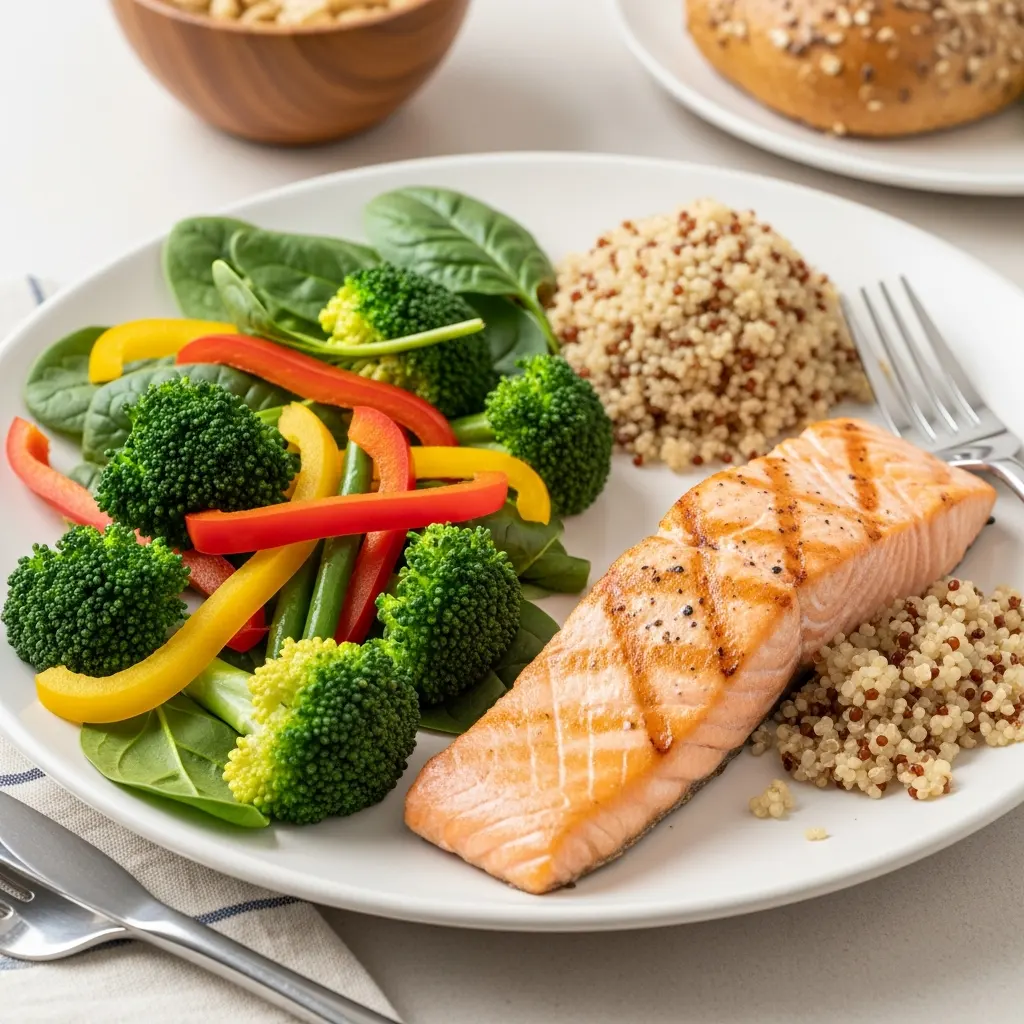
Starting a new diet can feel daunting, but it boils down to mastering a few fundamental principles. A successful beginner plan does not require complex calorie counting on day one WHO Guidelines.
The key components include prioritizing high-fiber foods, which slow glucose absorption. You must also include lean proteins at every meal to maintain muscle mass during weight loss.
Integrating healthy fats will keep you satiated, while overall portion awareness prevents accidental overeating. Review diabetic diet for beginners for step-by-step guidance.
Diet for Diabetes Type 2
When treating type 2 diabetes, the quality of your food matters just as much as the quantity. You want to focus on nutrient-dense foods that offer maximum vitamins with minimal glycemic impact Harvard Nutrition.
The best foods to build your diet around include leafy greens like spinach and kale. Beans and legumes provide excellent slow-digesting carbs. Berries offer sweetness with a low glycemic index, while oats provide heart-healthy soluble fiber.
Finally, fatty fish like salmon deliver essential omega-3s to protect your heart. Explore best foods for diabetics for comprehensive lists.
Type 2 Diabetes Diet Sheet
Having a quick reference guide can make grocery shopping and meal planning much easier. Use this simple chart to make better daily choices Cleveland Clinic.
| Trans fats, heavy cream, and margarine | Best Choices | Limit or Avoid |
|---|---|---|
| Carbs | Whole grains, quinoa, sweet potatoes | White bread, sugary cereals, pastries |
| Protein | Chicken, fish, tofu, eggs, lentils | Processed meats, deep-fried proteins |
| Fats | Olive oil, nuts, avocados, seeds | Trans fats, heavy cream, margarine |
7-Day Diabetic Diet Plan
Structure is essential for success. Having a week mapped out prevents last-minute, poor dietary choices when you are hungry and tired. Here is how a structured week might look Mayo Clinic.
Day 1
Start your morning with a bowl of oatmeal topped with fresh berries and walnuts. For lunch, enjoy a large grilled chicken salad packed with mixed greens and a vinaigrette dressing.
Finish the day with a satisfying dinner of baked salmon, roasted broccoli, and a small portion of quinoa. This day is perfectly balanced to keep blood sugars flat and steady. Review 7-day diet plan for diabetic patients for full weekly guidance.
Day 2–7
For the remainder of the week, build your meals around specific themes to ensure variety and adequate nutrition.
Focus on high-protein breakfasts like vegetable omelets or Greek yogurt to prevent mid-morning crashes. Ensure you have fiber-rich lunches, such as lentil soup or turkey wraps on whole-wheat tortillas. Keep your balanced dinners simple with a lean protein, a mountain of vegetables, and a single, controlled portion of a complex carbohydrate.
Diabetic Friendly Meal Plan
A truly diabetic-friendly plan is one that you can share with your family without anyone feeling like they are eating “hospital food” American Diabetes Association.
The core principles revolve around balanced macronutrients on every single plate. It must be a fiber-focused meal plan to ensure gut health and steady glucose absorption. Most importantly, it requires maintaining an exceptionally low added sugar intake across all meals and snacks. Learn about high-fiber diet for diabetes.
American Diabetes Association Meal Plans
The ADA provides some of the most thoroughly researched and reliable frameworks for patient nutrition. Their guidance is designed to be accessible to everyone CDC Nutrition.
Their primary evidence-based recommendation is the “Plate Method.” This visual tool teaches you to fill half your plate with non-starchy vegetables, one-quarter with lean protein, and one-quarter with carbohydrates. It naturally enforces carb awareness and portion control without the need for strict measuring cups.
American Diabetes Association Printable Diet
Many of my patients find success by physically printing out their dietary guidelines and sticking them to their refrigerators Harvard Health.
Suggested printable sections should include a safe grocery list divided by food group. You should also print a blank meal template to plan your week in advance. Finally, keeping a visual portion guide (like using your palm to measure protein) visible in the kitchen is incredibly helpful.
What to Eat With Diabetes
Knowing what you can eat is far more empowering than obsessing over what you cannot. Focus on incorporating these nutritional powerhouses into your daily routine Journal of Strength & Conditioning.
Here are the 10 best foods for diabetics: Leafy greens, beans, steel-cut oats, unsweetened Greek yogurt, berries, wild-caught salmon, chia seeds, tree nuts (like almonds and walnuts), avocados, and whole eggs.
These foods offer a perfect blend of vitamins, healthy fats, and proteins that stabilize blood sugar. Review healthy snacks for diabetics for quick options.
Diabetes Foods to Avoid
Certain foods act like rocket fuel for your blood sugar, causing rapid spikes followed by severe crashes American Heart Association.
Foods high in refined sugar and ultra-processed carbohydrates can rapidly raise blood sugar and should be strictly limited. This includes white pasta, pastries, candy, and heavily processed snack foods.
What Is the #1 Worst Food for Your Blood Sugar?
Liquid sugar is the absolute enemy of blood glucose control NIH Research.
Sugar-sweetened beverages—such as regular soda, sweetened sweet tea, and high-sugar fruit juices—are among the worst because they rapidly increase blood glucose levels. Without any fiber to slow them down, these drinks hit your bloodstream almost instantly, requiring a massive insulin response.
Safe Weight Loss for Diabetics
Patience is a medical necessity when losing weight with diabetes. Extreme, crash diets are highly dangerous Mayo Clinic.
The recommended pace is 1–2 pounds weekly. Slow weight loss is vastly superior because it is more sustainable and helps preserve your lean muscle mass. Furthermore, dropping weight slowly presents a much lower hypoglycemia (low blood sugar) risk, especially if you are taking insulin or sulfonylureas. Learn how to lose weight with diabetes safely.
Quick Weight Loss for Diabetics: Is It Safe?
Many patients come to me asking how they can drop 20 pounds before a wedding or vacation Cleveland Clinic.
From a clinical perspective, rapid weight loss may increase risks if not medically supervised. Drastic calorie restriction can lead to severe nutrient deficiencies and unpredictable, dangerous drops in blood sugar levels. Always consult your doctor before attempting a very low-calorie diet.
How to Lose 10 Pounds as a Diabetic
If you want to lose your first 10 pounds safely, you need a systematic, step-by-step strategy Harvard Health.
First, completely eliminate sugary drinks and replace them with water or unsweetened tea. Second, increase your daily protein and fiber intake to stay full on fewer calories. Third, commit to walking daily for at least 30 minutes. Fourth, strength train 2–3 times a week to build metabolism-boosting muscle.
Finally, ensure you sleep 7–9 hours a night to regulate your hunger hormones. Review lifestyle changes for diabetes control.
What Can Diabetics Take to Lose Weight Fast?
Sometimes, diet and exercise are not enough to overcome severe metabolic resistance. In these cases, medical interventions can be incredibly effective American Diabetes Association.
Evidence-based options include GLP-1 medications (like Ozempic or Wegovy), which slow digestion and reduce appetite, though strict medical supervision is required. Clinician-guided meal replacements can also be used for short-term, structured weight loss. Learn about diabetes medication for weight loss.
Realistic Diabetic Diet (Sustainable Eating)
Perfection is the enemy of progress in clinical nutrition. A realistic diet acknowledges that you will occasionally go to birthday parties or out to restaurants WHO Guidelines.
The focus must remain on flexibility rather than rigid rules. Emphasize portion balance, ensuring that even if you eat a heavier carbohydrate, you pair it with protein. Long-term adherence is the only way to keep the weight off permanently and keep your A1C in a healthy range.
Sample Diabetes Diet Menu

Here is a look at a highly realistic, delicious day of eating that supports weight loss and blood sugar management Cleveland Clinic.
| Meal | Example | Why It Works |
|---|---|---|
| Breakfast | Scrambled eggs + a small bowl of oatmeal | High protein and complex carbs provide steady morning energy |
| Lunch | Turkey salad with olive oil dressing | Low-carb, high-volume vegetables keep you full without an afternoon crash |
| Dinner | Grilled fish + roasted asparagus + quinoa | Lean protein, healthy fats, and a high-fiber grain round out the day perfectly |
Exercise and Weight Loss in Diabetes
Diet handles the calorie reduction, but exercise is what fundamentally changes how your body processes glucose ACSM Guidelines.
The best activities include brisk walking, especially 10 to 15 minutes right after a meal, to blunt blood sugar spikes. Resistance training is crucial because muscles act as a sponge for excess glucose. Cycling is also an excellent, low-impact way to improve cardiovascular fitness. Explore best workout for prediabetes for exercise ideas.
Common Mistakes to Avoid
Navigating a diabetes diet can be tricky, and certain common errors can stall your weight loss progress Mayo Clinic.
Skipping meals is a major mistake, as it can lead to dangerous lows followed by extreme indulgence eating later in the day. Drinking your calories through juices or sweetened coffees is another rapid way to gain weight. Finally, over-restricting carbs entirely can lead to burnout and nutrient deficiencies; balance is key.
When to See a Healthcare Professional
Managing diabetes is a team effort. You should never adjust your medical regimen based solely on an article Johns Hopkins.
Seek medical advice immediately if you experience frequent low blood sugar (hypoglycemia) as you change your diet. You should also consult your doctor if you experience unusually rapid weight loss, as this can be a sign of uncontrolled diabetes.
Finally, as you lose weight, you will likely need medication adjustments from your prescribing physician. Review low blood sugar symptoms for warning signs.
Frequently Asked Questions
What is the best diet for a diabetic person to lose weight?
A Mediterranean-style pattern tops the list. It emphasizes whole foods, fiber-rich veggies, lean proteins, and healthy fats. This approach supports steady weight loss while stabilizing blood sugar.
The American Diabetes Association endorses it for good reason—it’s sustainable, flavorful, and evidence-backed. Small, consistent swaps beat restrictive diets every time. Work with a dietitian to personalize your plan.
What foods should diabetics avoid?
Limit sugary drinks, refined grains, and ultra-processed snacks. These cause rapid glucose spikes and increase inflammation. White bread, pastries, and fried foods top the list. You don’t need perfection—just progress. One mindful swap at a time builds momentum.
Focus on whole, minimally processed options instead. Your care team can help prioritize changes that fit your lifestyle and culture.
Can diabetics lose weight safely?
Absolutely. Aim for 1–2 pounds weekly—a safe, sustainable pace. This modest loss significantly improves insulin sensitivity and blood sugar control. Pair balanced nutrition with regular movement and quality sleep. Harvard Health supports this gradual approach.
Remember: consistency beats intensity. Small daily choices create lasting metabolic benefits. Your provider can help tailor a plan that honors your health goals.
What is the best breakfast for diabetics?
Choose protein + fiber combos. Think scrambled eggs with spinach, or Greek yogurt topped with berries and nuts. Steel-cut oats with chia seeds work well too.
These options digest slowly, preventing morning glucose spikes. Skip sugary cereals or pastries. A balanced breakfast sets a steady tone for your entire day. Experiment to find favorites you’ll enjoy long-term.
Does walking help lower blood sugar?
Yes—brisk walking, especially after meals, helps muscles absorb glucose naturally. Just 10–15 minutes post-meal can blunt blood sugar spikes.
The American Heart Association highlights this simple, powerful tool. No gym required. Consistency matters more than intensity. Pair walking with balanced meals for compounded benefits. Small steps truly create big metabolic changes over time.
Conclusion
Managing type 2 diabetes while attempting to lose weight can initially feel like a heavy burden, but it is a challenge that is entirely within your control.
By shifting your focus from strict, miserable restrictions to sustainable, nutrient-dense eating, you can fundamentally change your long-term health trajectory NIH Research.
Remember that the absolute best diet is not a temporary, quick-fix protocol; it is a lifelong commitment to nourishing your body correctly. Prioritize lean proteins, high-fiber vegetables, and healthy fats while giving yourself the grace to navigate daily life without extreme, stressful deprivation.
Start making small, highly manageable changes today, like taking a brisk walk after dinner or permanently swapping out sugary beverages for water.
Work closely with your healthcare team, be incredibly patient with your daily progress, and watch as your body heals, your weight drops, and your natural energy returns. For more comprehensive guidance, explore diabetes guidelines.
Medical References & Further Reading:
American Diabetes Association. Nutrition Guidelines. diabetes.org
CDC. Diabetes Management Basics. cdc.gov/diabetes
Mayo Clinic. Weight Loss & Diabetes. mayoclinic.org
Harvard Health. Diabetes Nutrition. health.harvard.edu
NIH. Metabolic Research. nih.gov
Cleveland Clinic. Blood Sugar Control. clevelandclinic.org
Johns Hopkins. Diabetes Care. hopkinsmedicine.org
American Heart Association. Heart Health & Diabetes. heart.org
British Journal of Sports Medicine. Exercise & Metabolism. bjsm.bmj.com
Journal of Strength & Conditioning. Nutrition Studies. jscr.nsca.org
PubMed. Diabetes Meta-Analyses. pubmed.ncbi.nlm.nih.gov
WHO. Healthy Diet Guidelines. who.int
ACSM. Exercise Prescription Guidelines. acsm.org